
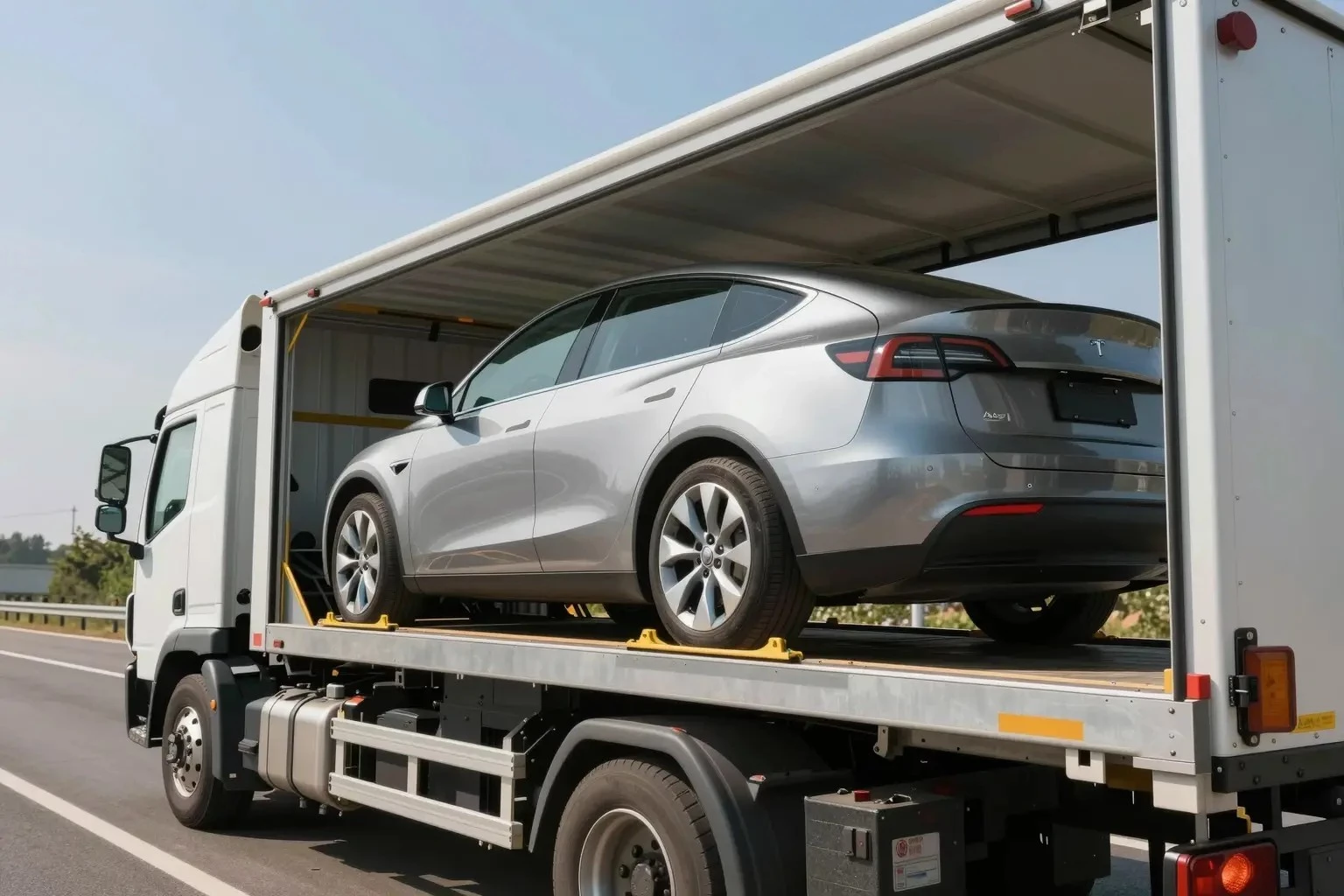
Car shipping, also known as automobile transport, is a convenient solution for relocating vehicles across different locations, whether domestically or internationally. This service is pivotal for individuals moving homes, purchasing cars from distant sellers, or any scenario requiring the transportation of vehicles over long distances. Understanding the intricacies of vehicle shipping can help ensure a smooth and efficient experience.
Understanding the Basics of Automobile Transport
At its core, automobile transport involves moving a vehicle from one location to another using specialized carriers. These freight carriers are designed to safely handle and transport vehicles, ensuring they reach their destination without damage.
The Delivery Process
The delivery process begins with selecting a suitable shipping company. These companies provide various options for transporting vehicles, such as open trailers and enclosed transport. Open trailers are more common and cost-effective, while enclosed transport offers additional protection for high-value or classic cars.
Transportation Logistics
Transportation logistics involves planning the most efficient route, coordinating pickup and delivery schedules, and ensuring compliance with laws and regulations. Shipping companies handle these logistics, providing customers with auto transport quotes that detail the cost and estimated transit times.
Steps in the Car Shipping Process
Getting Auto Transport Quotes
The first step is obtaining quotes from various shipping companies. These auto transport quotes help customers compare prices and services to select the best option. Factors influencing the cost include distance, vehicle size, and transport type (open or enclosed).
Booking Process
Once a suitable quote is selected, the booking process begins. This involves finalizing details such as pickup and delivery locations, preferred transport method, and any additional services like insurance coverage. Insurance is crucial as it provides peace of mind, covering potential damages during transit.
Pickup and Delivery
The shipping company arranges for pickup and delivery, coordinating times that align with the customer’s schedule. Some companies offer door-to-door service, collecting the vehicle from the customer’s location and delivering it directly to the specified address, enhancing convenience.
Transit and Monitoring
During transit, vehicles are monitored to ensure they remain on track to reach their destination within the estimated timeframe. Some companies offer tracking features, allowing customers to check the status of their shipment in real-time.
International Shipping
For those needing international shipping, the process involves additional steps such as customs clearance and compliance with international shipping regulations. Shipping companies experienced in international logistics can navigate these complexities, ensuring the vehicle reaches its destination safely and legally.
Types of Transport Options
Open Trailers vs. Enclosed Transport
- Open Trailers: The most common and economical option, suitable for standard vehicles. However, vehicles are exposed to weather elements and road debris.
- Enclosed Transport: Offers greater protection from external elements, ideal for luxury, exotic, or classic cars. This method is typically more expensive but provides superior security.
The Importance of Insurance Coverage
While shipping companies take extensive precautions, insurance coverage is essential for protecting against unforeseen events during transit. Customers should review the insurance policies offered by shipping companies to ensure adequate coverage for their specific needs.