How much would it cost to ship my car

Shipping a car can be a daunting task, especially if you’re new to the process of vehicle shipping. Whether you’re relocating, selling a car, or purchasing one from another state or country, understanding the costs involved in auto transport is crucial. This article will delve into the factors that affect car transport costs and provide you with a comprehensive guide on what to expect.

Factors Influencing the Cost of Car Shipping

The cost estimate for shipping a car can vary greatly depending on various factors. Below are the key elements that influence the pricing:

Distance and Destination

The distance between the pickup and drop-off locations is one of the most significant factors in determining the cost. Shipping a car cross-country will generally cost more than transporting it within the same region. Additionally, more remote destinations may incur higher fees due to less frequent carrier routes.

Vehicle Size and Weight

The size and weight of your vehicle will also impact the shipping cost. Larger and heavier vehicles take up more space and add more weight to the carrier, which can increase the pricing.

Service Type

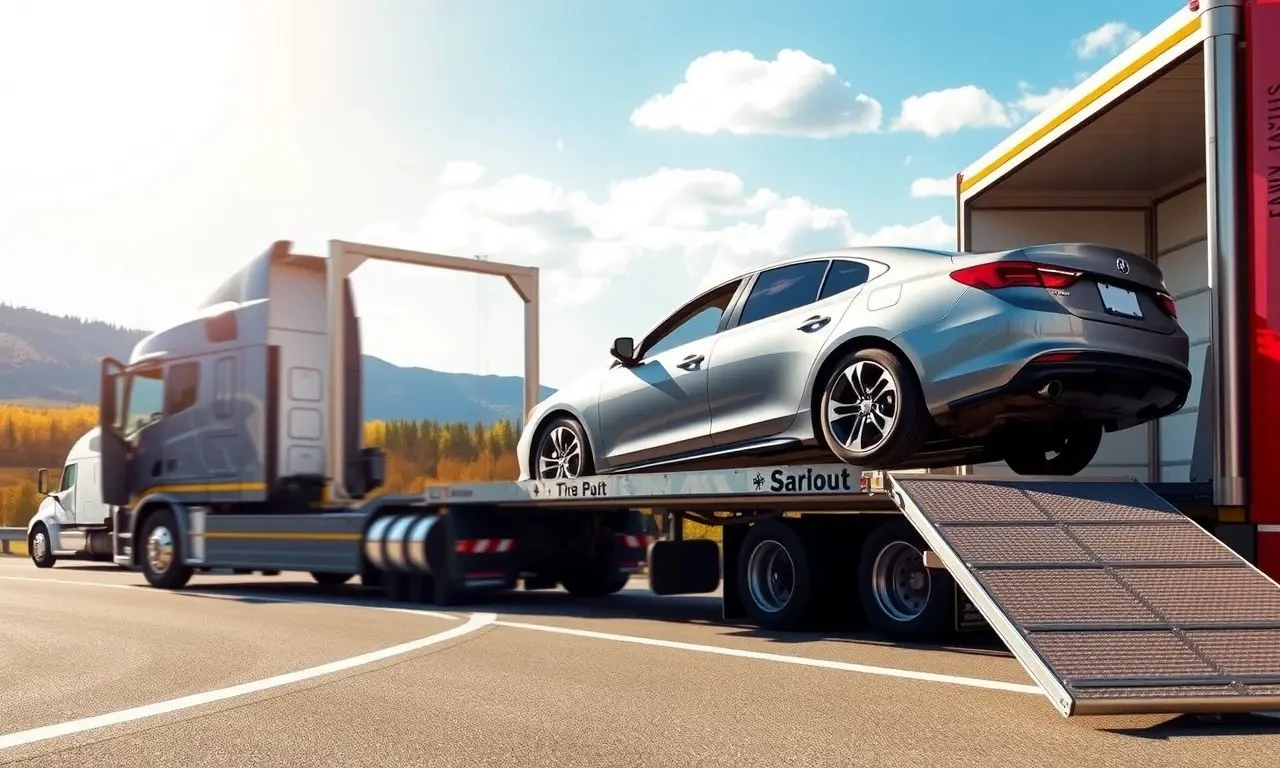
  • Open Transport: The most common and cost-effective method, where your vehicle is transported on an open carrier.
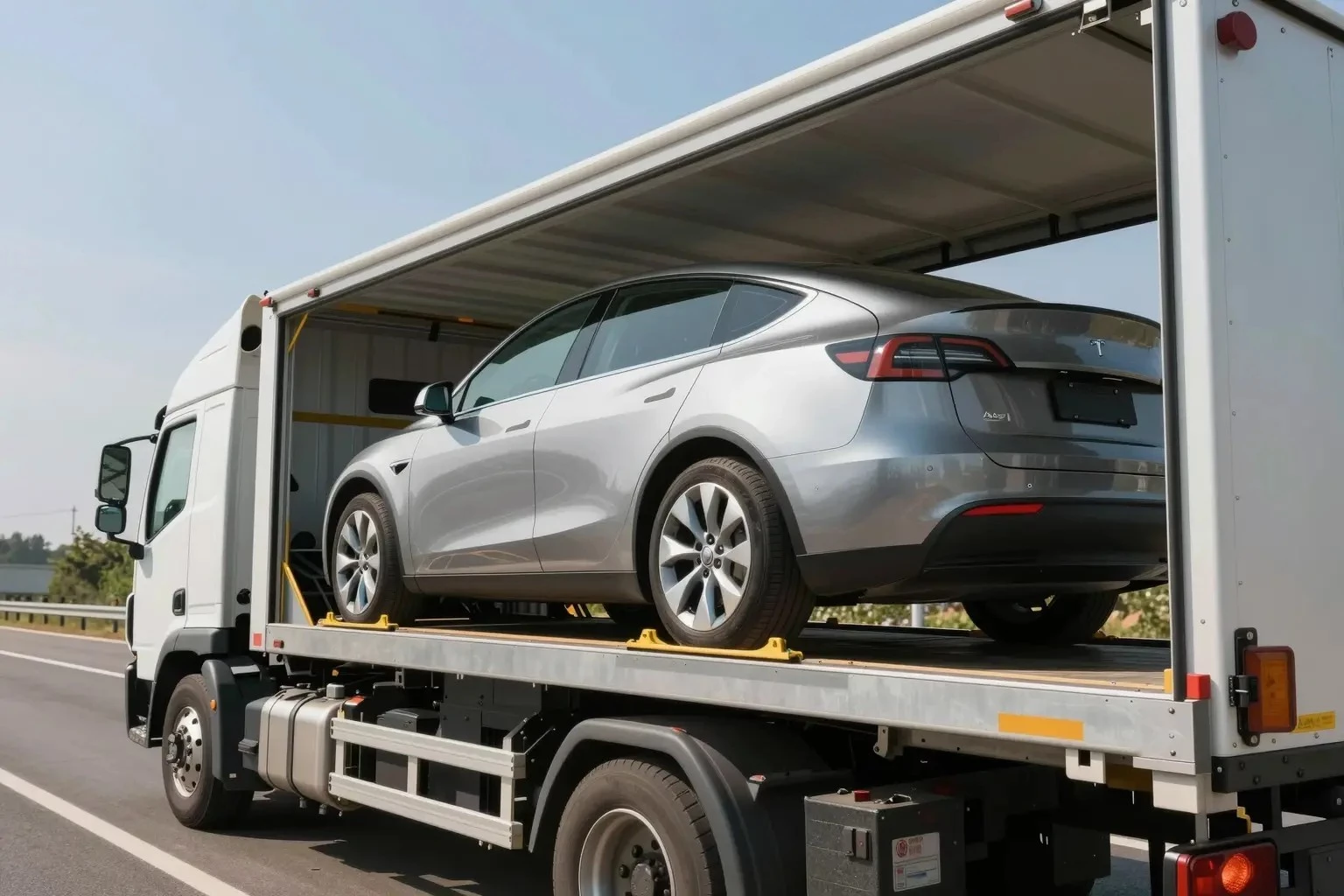
  • Enclosed Transport: Offers additional protection for the vehicle and is recommended for high-value or classic cars. This service is typically more expensive.

Carrier and Route

The type of carrier and the specific route taken can influence the cost. Direct routes with regular service tend to be cheaper. Special routes or less frequented paths may require additional fees.

Seasonal Rates

Shipping costs can fluctuate based on the season. Generally, prices are higher during peak seasons, such as summer, when demand for auto transport is greater.

Fuel Surcharge

Fluctuating fuel prices can lead to a fuel surcharge being added to your shipping quote. This is an important factor that can affect overall costs.

Insurance

Most transport companies offer basic insurance coverage, but you may wish to purchase additional insurance for peace of mind, especially for high-value vehicles.

Understanding Shipping Options and Quotes

Once you understand the factors that influence pricing, it’s time to explore your shipping options and obtain quotes:

Getting Quotes

It’s advisable to get multiple quotes from different transport companies to ensure you’re getting a competitive rate. Be sure to provide accurate information about your vehicle and shipping requirements for an accurate cost estimate.

Evaluating Services

Consider the types of services offered by each company, including:

  • Door-to-Door Service: The car is picked up from your specified location and delivered directly to your destination.
  • Terminal-to-Terminal Service: You drop off and pick up your car at designated terminals, which can be more cost-effective but less convenient.

Additional Costs and Considerations

When planning to ship your car, be aware of potential additional costs and logistical considerations:

Fees and Surcharges

These can include special handling fees for oversized vehicles, express delivery fees, or storage fees if your car cannot be picked up or delivered on time.

Pickup and Drop-off Flexibility

Flexibility in pickup and delivery dates can sometimes reduce costs. Fixed dates might incur higher fees.

Overseas Shipping Considerations

If you’re considering overseas shipping, additional factors come into play:

Customs and Regulations

Understand the destination country’s import regulations, taxes, and duties. These can significantly affect your shipping budget.

Logistics and Handling

Overseas transport involves complex logistics, including loading and unloading at ports. Ensure you choose a transport company experienced in international shipping.

Shipping a car involves understanding various pricing factors and making informed decisions based on your needs and budget. By considering distance, vehicle size, service type, and other elements, you can estimate your costs more effectively. Always compare quotes and choose a reputable transport company to ensure a smooth and hassle-free auto transport experience. Whether you’re shipping cross-country or overseas, the right preparation can make all the difference in managing your vehicle shipping costs.

How much to ship my car

Shipping a car can be a daunting task‚ especially if you’re unfamiliar with the process. Whether you’re moving across the country or buying a vehicle from a distant seller‚ understanding the cost components and options available for vehicle transport is crucial. This article delves into the factors affecting car shipping costs and explores various aspects of auto transport services.

Factors Influencing Car Shipping Costs

Determining the cost of shipping a car involves several factors. Here are the key elements that influence vehicle shipping rates:

  • Distance: The shipping distance is a primary factor in determining the cost. Generally‚ longer distances result in higher costs‚ although the rate per mile may decrease with increased distance.
  • Type of Transport: You can choose between an open carrier and an enclosed carrier. An open carrier is more common and generally cheaper‚ but an enclosed carrier provides additional protection‚ which might be preferable for luxury or classic cars.
  • Vehicle Size and Weight: Larger and heavier vehicles cost more to transport due to the additional space and weight considerations.
  • Seasonality: The time of year can impact prices. For instance‚ demand is higher in summer‚ which can increase costs.
  • Fuel Surcharges: Fluctuations in fuel prices can lead to variations in shipping costs.
  • Door-to-Door Service: Opting for door-to-door service‚ where the car is picked up and delivered to specific locations‚ might increase the cost compared to terminal-to-terminal service.

Understanding Auto Transport Services

Auto transport services provide an efficient solution for car delivery. These services are offered by professional transport companies that specialize in vehicle relocation. Let’s explore the types of services available:

Open Carrier

An open carrier is the most common method for automobile shipping. It involves transporting vehicles on a trailer exposed to the elements. While this option is cost-effective‚ it may not be suitable for high-value or delicate vehicles.

Enclosed Carrier

Enclosed carriers offer added protection by transporting vehicles in a closed trailer. This option is ideal for classic‚ exotic‚ or high-value cars‚ providing shelter from weather conditions and road debris.

Door-to-Door Service

Door-to-door service provides convenience by picking up and delivering the vehicle directly to specified addresses. While it may come at a premium‚ it eliminates the need for the vehicle owner to travel to a terminal.

Obtaining Transport Quotes

Before selecting an auto shipping company‚ it’s wise to obtain transport quotes from multiple providers. Here’s how you can get an accurate shipping estimate:

  1. Provide detailed information about the vehicle‚ including size‚ weight‚ and condition.
  2. Specify the pickup and delivery locations to determine the shipping distance.
  3. Choose your preferred type of transport (open or enclosed carrier).
  4. Consider additional services such as door-to-door delivery.

Comparing quotes allows you to identify the most competitive rates and reliable service.

Selecting a Transport Company

Choosing the right transport company is crucial for a smooth auto shipping experience. Consider the following when evaluating potential providers:

  • Reputation: Research the company’s reputation through reviews and testimonials.
  • Insurance: Ensure the company offers adequate insurance coverage for your vehicle during transit.
  • Experience: Look for companies with a proven track record in vehicle transport and logistics.
  • Customer Service: Evaluate the responsiveness and professionalism of the company’s customer service team.

Understanding the intricacies of car shipping costs and selecting the right auto transport service can alleviate the stress of vehicle relocation. By considering factors such as shipping distance‚ transport type‚ and additional services‚ you can make informed decisions that align with your needs and budget. Remember to gather transport quotes‚ assess the reputation of potential companies‚ and choose the best option for your automobile shipping requirements.

Whether you’re engaging in cross-country shipping or simply need to transport your car to a neighboring state‚ the right car hauler service will ensure your vehicle arrives safely and efficiently at its destination.

How much is car shipping

Auto transport, also known as vehicle shipping, is a convenient way to move a car from one location to another, whether it’s across the country or internationally․ Understanding the various factors that influence the transport cost is essential for anyone considering shipping a vehicle․ This article provides a comprehensive guide on what affects car shipping rates and how you can choose the right shipping company for your needs․

Factors Influencing Transport Cost

The cost of car shipping can vary significantly based on several factors․ Here’s a detailed look at each:

Distance

The distance between the pickup location and the delivery location is one of the primary determinants of transport cost․ Longer distances typically lead to higher shipping rates due to increased fuel consumption, time on the road, and potential overnight stays for the driver․

Vehicle Size and Type

The size and type of the vehicle being transported also affect the cost․ Larger vehicles such as SUVs or trucks generally incur higher transportation fees due to their weight and the space they occupy on the car carrier․ Additionally, modifications to a vehicle, such as a lift kit, may also increase the shipping cost․

Shipping Options: Enclosed vs․ Open Transport

  • Open Transport: This is the most common and cost-effective option․ Vehicles are loaded onto an open car carrier, similar to the ones used by car dealerships․ While economical, this option exposes vehicles to weather and road conditions․
  • Enclosed Transport: This option offers more protection as vehicles are transported in a covered trailer․ It is ideal for luxury, classic, or high-value cars but comes at a higher cost due to the added protection․

Delivery Time

The urgency of the delivery can also affect shipping rates․ Expedited shipping options, which ensure quicker delivery times, often come with a premium fee․

Seasonality

Shipping costs can fluctuate based on the time of year․ During peak seasons, such as summer months or the end of the year, demand for auto transport increases, potentially driving up prices․

Pickup and Delivery Locations

Shipping rates can vary based on the accessibility of the pickup and delivery locations․ Urban areas with established freight services might offer lower rates compared to remote or rural locations, which may require additional logistics and time to reach․

Insurance Coverage

Most shipping companies provide basic insurance coverage as part of their service․ However, if you desire additional coverage for added peace of mind, this may increase the overall cost of transportation․

Choosing the Right Shipping Company

Selecting the right shipping company is crucial to ensure a smooth and cost-effective experience․ Consider the following when evaluating potential companies:

Requesting Quotes

It’s advisable to obtain quotes from multiple shipping companies to compare rates and services․ Ensure that each quote is detailed, including all potential fees, to avoid hidden costs․

Company Reputation

Researching the reputation of the shipping company is essential․ Look for customer reviews, ratings, and any industry accreditations․ Reliable companies often have positive feedback and a track record of successful deliveries․

Delivery Options

Consider the delivery options offered by the company․ Some may provide door-to-door service, while others might require you to pick up your vehicle from a terminal․

Experience with International Shipping

If you require international shipping, ensure the company has experience in handling the logistics and regulations involved in cross-border transportation․

Understanding Shipping Rates and Fees

Shipping rates are determined by a combination of the factors discussed․ It’s important to break down the costs to understand what you are paying for:

  • Base Rate: The initial cost calculated based on distance and vehicle size․
  • Fuel Surcharge: An additional fee that covers fluctuating fuel prices․
  • Insurance Fees: The cost of the basic insurance coverage included with the shipment․
  • Add-on Services: Any extra services such as enclosed transport or expedited delivery․

Understanding the factors that influence car shipping costs and the services offered by different shipping companies can help you make an informed decision․ By taking into account the distance, vehicle size, shipping options, and other variables, you can better estimate the transport cost and choose the most suitable service for your needs․ Always compare quotes, consider the company’s reputation, and ensure you understand all fees involved to avoid unexpected expenses․ Whether you’re shipping a standard vehicle or a high-value car, careful planning and research are key to a successful auto transport experience․

How much does it cost to get a car shipped

Car shipping, also known as vehicle shipping or auto transport, is a service that allows individuals and businesses to transport cars from one location to another. Whether you’re moving to a new city, purchasing a vehicle from a distant seller, or attending a car show, understanding the factors that influence the transport cost is crucial. This article explores the various elements that affect the cost of shipping a car, providing you with the information needed to make an informed decision.

Key Factors Influencing Car Shipping Costs

The cost of shipping a car is determined by several factors. These include:

  • Distance: The distance between the pickup location and the delivery destination is one of the most significant factors. Longer distances generally result in higher freight charges.
  • Carrier Type: The choice between enclosed transport and open transport can affect the price. Enclosed transport provides more protection but is more expensive than open transport.
  • Size and Weight: Larger and heavier vehicles may incur higher shipping costs due to the increased resources required to transport them.
  • Seasonal Rates: Demand for car shipping services can vary with the seasons, affecting prices. For example, rates might be higher during the summer when more people relocate.
  • Fuel Surcharges: Fluctuations in fuel prices can impact the overall cost of shipping a car.
  • Insurance: Ensuring your vehicle is covered during transit is essential. Some shipping companies include insurance in their rates, while others offer it as an additional expense.
  • Delivery Time: If you require expedited shipping, be prepared to pay a premium for faster delivery service.

Calculating a Shipping Quote

Before deciding on a shipping company, it’s essential to obtain a shipping quote. This involves providing details such as the pickup location, delivery destination, vehicle size and weight, and preferred carrier type. Comparing quotes from different companies can help you find the best balance between cost and service quality.

Open vs. Enclosed Transport

One of the most critical choices you’ll make is between open and enclosed transport. Open transport is more common and cost-effective, as vehicles are loaded onto an open carrier. However, they are exposed to the elements, which may be a concern for luxury or vintage cars. In contrast, enclosed transport offers superior protection from weather and road debris, but at a higher cost.

Understanding Seasonal Rate Fluctuations

Car shipping rates can vary significantly depending on the time of year. During peak moving seasons, such as summer, demand for auto transport increases, leading to higher prices. Conversely, winter months might offer lower rates, but weather conditions can impact delivery times.

Choosing the Right Shipping Company

Selecting a reputable shipping company is crucial to ensure your vehicle arrives safely and on time. Consider the following when making your choice:

  • Reputation: Research customer reviews and ratings to gauge the reliability of the company.
  • Experience: An experienced company is more likely to handle your vehicle with care and navigate logistical challenges efficiently.
  • Insurance: Verify the insurance coverage provided and consider additional coverage if necessary.
  • Customer Service: A company with excellent customer service will communicate clearly and address any concerns promptly.

The cost of getting a car shipped depends on various factors, including distance, carrier type, and seasonal rates. By obtaining detailed shipping quotes and understanding the elements that influence pricing, you can budget effectively and choose the best delivery service for your needs. Keep in mind the importance of selecting a reliable shipping company to ensure a smooth and hassle-free auto transport experience.

Whether you’re shipping a car across the country or just a few hundred miles, being informed about the process and associated costs will help you make the best decision for your situation.

How to ship a car to hawaii

Relocating to Hawaii is an exciting adventure, but it comes with the logistical challenge of moving your belongings across the ocean. One of the most significant tasks is vehicle shipping. This guide will walk you through the car transport process, ensuring your vehicle’s safe and timely arrival in Hawaii.

Understanding the Basics of Vehicle Shipping

The process of auto shipping involves several steps and considerations. It’s essential to understand the different methods, costs, and logistics involved in order to make informed decisions. Shipping a car to Hawaii primarily involves ocean freight, where cars are transported via ships from a mainland port to a Hawaiian port.

Choosing the Right Shipping Method

When it comes to Hawaii relocation, you have a few options for transporting your vehicle:

  • Port-to-Port Shipping: This is the most common and cost-effective method. You drive your car to a mainland port, and it’s shipped to a Hawaiian port. You’ll need to pick it up at the destination port.
  • Door-to-Port Shipping: This service includes picking up your car from your home and transporting it to the shipping port. It’s convenient, albeit more expensive.
  • Door-to-Door Shipping: The most comprehensive service where the shipping company picks up and delivers the car directly to your specified addresses. This method is the most expensive.

Factors Affecting Shipping Costs

Several factors influence the shipping costs when transporting a car to Hawaii:

  • Vehicle Size and Weight: Larger and heavier vehicles cost more to ship.
  • Shipping Method: As outlined, door-to-door services are pricier than port-to-port.
  • Season: Demand can affect prices. Shipping during peak moving seasons may increase costs.
  • Distance: The distance from your home to the port and the port to Hawaii affects overall costs.

Selecting a Reliable Shipping Company

It’s crucial to choose reputable shipping companies for your car transport needs. Look for companies with good reviews, proper licensing, and insurance coverage. Verify their experience with transport services to Hawaii to ensure they understand the unique challenges involved.

The Shipping Process

Here’s a step-by-step overview of the shipping process:

  1. Research and Select a Shipping Company: Get multiple quotes and compare services.
  2. Prepare Your Vehicle: Remove personal items, ensure it’s clean, and perform necessary maintenance checks.
  3. Arrange Pick-up or Drop-off: Depending on your chosen service, either deliver your car to the port or arrange for it to be picked up.
  4. Documentation and Insurance: Ensure you have all necessary paperwork and check the vehicle insurance coverage for shipping.
  5. Track Your Vehicle: Many companies provide tracking services to monitor your vehicle’s progress.
  6. Vehicle Delivery: Once in Hawaii, pick up your car or have it delivered to your new home.

Understanding Transport Logistics

Transport logistics involve coordination between various entities, including shipping lines, ports, and customs. A good shipping company will handle these complexities for you, ensuring a smooth transition. Understanding these logistics helps you anticipate any potential delays or issues;

Car Carrier Options

Most vehicles are shipped using car carriers on roll-on/roll-off (RoRo) vessels or inside shipping containers. RoRo is often cheaper and faster, while container shipping provides extra protection, albeit at a higher cost.

Delivery Timeline

The delivery timeline can vary depending on the shipping company and method. Typically, it can take anywhere from one to three weeks for your vehicle to arrive in Hawaii from the mainland. Always confirm estimated delivery dates with your shipping provider.

Ensuring a Smooth Transition

Thorough preparation and choosing the right shipping partner are key to a successful vehicle relocation. By understanding the vehicle delivery process and planning accordingly, you can ensure your car arrives safely and on time.

Shipping a car to Hawaii requires careful planning and consideration of various factors, from choosing the right shipping method to understanding transport logistics and costs. With the right information and preparation, the process can be seamless, allowing you to focus on enjoying your new Hawaiian life.

how much to ship car to another state

When considering vehicle transport across state lines, one of the primary concerns is the cost associated with car shipping. Understanding the factors that influence car shipping costs can help you make informed decisions about interstate auto transport and ensure that you find the best deal for your needs.

Factors Affecting Vehicle Shipping Rates

The cost of cross-state car transport is influenced by several factors, including:

  • Distance: The longer the distance, the higher the cost. Long-distance car transport across multiple states will typically be more expensive than a shorter route.
  • Vehicle Size and Weight: Larger and heavier vehicles cost more to ship. This is because they take up more space on the transport trailer and require more fuel to move.
  • Transport Type: Choosing between open and enclosed transport affects the price. Enclosed transport offers more protection but at a higher cost.
  • Seasonality: Prices can fluctuate based on the time of year. Demand for automobile shipping services often spikes during the summer months and around the holidays, leading to higher rates.
  • Pick-up and Delivery Locations: Shipping to or from remote areas may increase costs due to the added difficulty and time required to reach these places.

Getting Auto Shipping Quotes

To get an accurate estimate for your vehicle relocation expenses, it’s essential to obtain auto shipping quotes from multiple providers. This process involves:

  1. Researching Companies: Look for reputable companies with positive reviews and a proven track record in state-to-state car delivery.
  2. Providing Details: Share specifics about your vehicle, the desired pick-up and delivery locations, and your preferred transport type.
  3. Comparing Quotes: Evaluate quotes based on cost, services offered, and estimated delivery times.

Estimating Vehicle Relocation Expenses

While obtaining quotes is the most accurate way to determine vehicle shipping rates, having a general idea of typical costs can be helpful. On average, shipping a car within the United States can range from $500 to $1,500 depending on the factors mentioned earlier. Specifically:

  • Short distances (under 500 miles) can cost between $500 and $700.
  • Medium distances (500 to 1,500 miles) may range from $700 to $1,200.
  • Long distances (over 1,500 miles) often cost $1,200 to $1,500 or more.

Additional Tips for Interstate Auto Transport

To ensure a smooth cross-state car transport experience, consider the following tips:

  • Plan Ahead: Booking your transport service well in advance can help you avoid last-minute price surges.
  • Prepare Your Vehicle: Clean your car and remove any personal items to avoid additional fees or complications.
  • Check Insurance Coverage: Verify that the shipping company provides adequate insurance coverage for your vehicle during transit.
  • Stay Flexible: If possible, be open to flexible pick-up and delivery dates as this can sometimes reduce costs.

Understanding the elements that impact vehicle transport costs is crucial for budgeting your vehicle relocation expenses. By obtaining multiple auto shipping quotes, considering the type of transport, and planning ahead, you can ensure that your interstate auto transport is both cost-effective and efficient. Whether you’re moving across the country or just a few states away, knowing what to expect can help you make the best decisions for your car shipping needs.

how much is it to ship a car overseas

Shipping a car internationally is a complex process that involves several considerations including vehicle shipping costs, auto transport services, and import/export regulations. Understanding these factors can help you estimate how much it will cost to ship your car overseas.

Understanding International Shipping

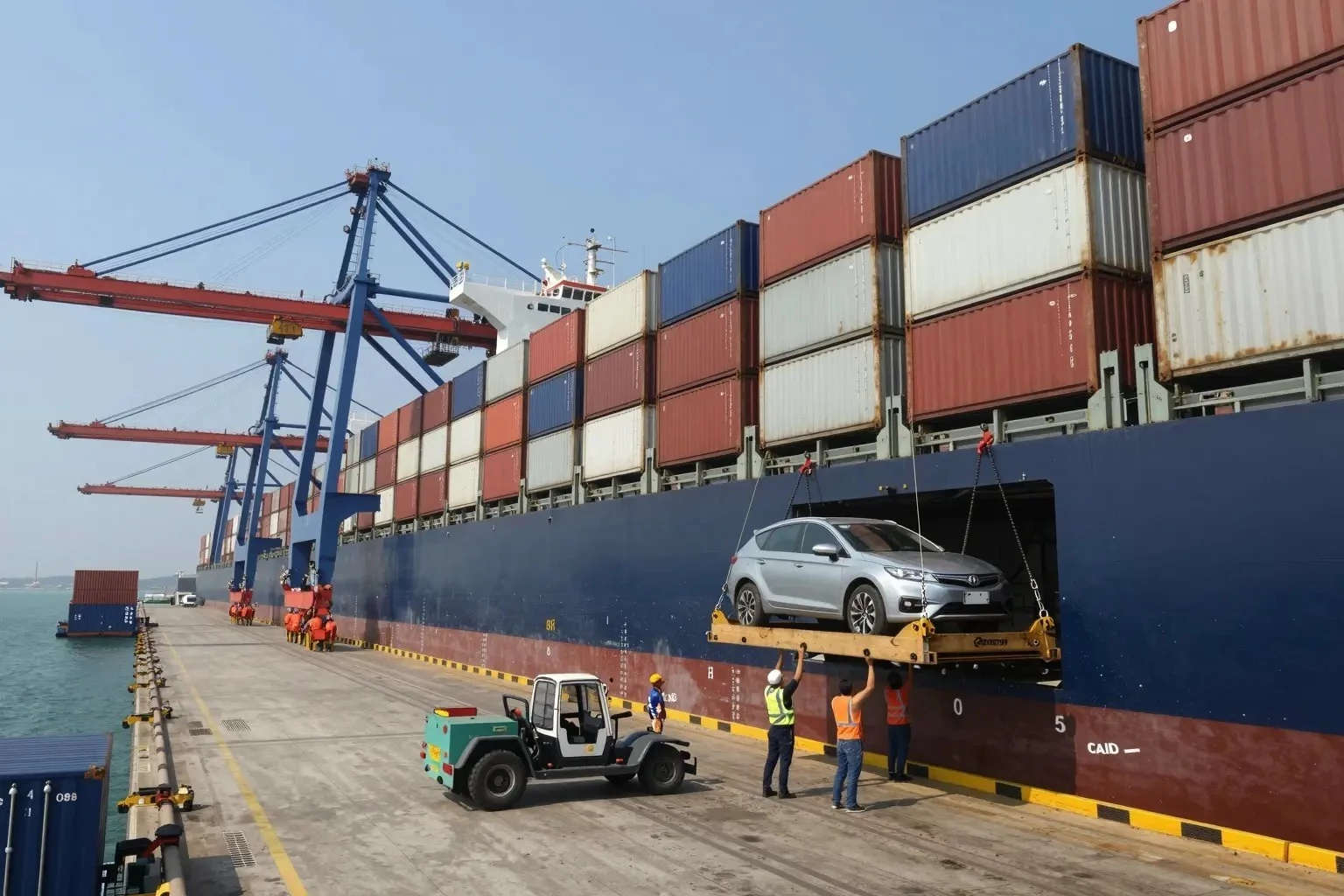
The cost of international shipping for cars largely depends on the method chosen, the distance of transport, and the specific shipping fees associated with the destination country’s ports. There are primarily two methods used for vehicle transport: container shipping and roll-on/roll-off (RoRo).

Container Shipping

Container shipping involves placing your car in a shipping container which is then secured on a cargo ship. This method is generally more expensive due to the added protection and security it provides. It is an excellent option for high-value vehicles as it offers a higher level of protection from the elements and potential damage during transit. The cost can range from $1,000 to $5,000, depending on the container size and the shipping distance.

Roll-on/Roll-off (RoRo)

The roll-on/roll-off method involves driving the car onto the shipping vessel and securing it in place. This method is typically less expensive, with prices ranging from $750 to $2,000. However, it does not offer the same level of protection as container shipping, which might be a consideration depending on the vehicle type and destination.

Additional Costs and Considerations

Freight Forwarding and Port Charges

When shipping a vehicle overseas, you must also consider freight forwarding services and port charges. Freight forwarders handle logistics and ensure all documentation is in order. Port charges vary by location and can significantly impact the overall cost.

Customs Duties and Import/Export Regulations

Each country has its own import/export regulations and customs duties. These can add considerable costs. It is crucial to research the destination country’s laws regarding vehicle imports to avoid unexpected fees.

Shipping Insurance

Obtaining shipping insurance is highly recommended to protect your investment during transit. Insurance costs will vary depending on the value of the vehicle and the coverage level;

Delivery Time and Maritime Logistics

The delivery time for shipping a car overseas can range from a few weeks to a few months, depending on the distance and the efficiency of maritime logistics. Timeframes can also be affected by factors such as weather conditions and port congestion.

Choosing the Right Auto Transport Service

Selecting a reliable auto transport service is essential for a smooth shipping process. It is advisable to obtain multiple quotes and verify the company’s reputation through reviews and ratings. Ensure they offer full service, including handling all necessary documentation and compliance with international shipping standards.

In conclusion, the cost to ship a car overseas can vary greatly depending on the method of transport, destination, and additional fees such as customs duties and port charges. By considering all these factors and planning accordingly, you can ensure that your car reaches its destination safely and efficiently without unexpected costs.

how much does it cost to ship a car overseas

Shipping a car overseas involves multiple factors that influence the overall shipping cost. Understanding these elements can help you navigate the complexities of international transport efficiently. Whether you’re relocating, selling a vehicle abroad, or purchasing a car from another country, knowing what goes into vehicle freight is crucial.

Factors Affecting Shipping Costs

  • Distance and Destination: The distance between the departure and destination port significantly influences the cost. Longer distances typically mean higher costs.
  • Transport Method: Container shipping and roll-on/roll-off (RoRo) are two primary methods. Container shipping provides better protection but is usually more expensive than RoRo, where vehicles are driven onto the shipping vessel.
  • Vehicle Size: Larger vehicles cost more to ship. The size and weight of the vehicle are considered when calculating costs.
  • Shipping Schedule: The frequency of shipments on your chosen route can impact costs. More frequent routes might offer more competitive pricing.
  • Insurance Coverage: Comprehensive insurance coverage for your vehicle during transit adds to the cost but is often necessary for peace of mind.
  • Import Fees and Customs Duties: Each country has its own import fees and customs duties that must be paid upon entry, which can vary widely.
  • Export Regulations: Compliance with export regulations is mandatory, and any associated fees must be considered.

Getting a Shipping Quote

Obtaining a shipping quote is a critical step in understanding the potential costs involved. Contacting a reputable shipping company or freight forwarder will provide you with an estimate based on your specific needs and logistics. Be sure to provide accurate information about your vehicle, including make, model, and dimensions, to receive the most accurate quote.

Choosing a Shipping Company

The choice of a shipping company can greatly affect your experience. Look for a company with a proven track record in shipping logistics and positive customer reviews. They should offer clear communication, transparent pricing, and detailed information about the transit time and process.

Insurance Coverage

While some companies include basic insurance in their packages, you might want to consider additional insurance coverage to protect against unforeseen circumstances. Ensure that your chosen policy covers all potential risks during the shipment process.

Preparing for Shipment

Before your car is shipped, it’s essential to prepare it properly. This includes cleaning the vehicle, removing personal items, and ensuring it is in good working condition. Some countries might require specific modifications or certifications, aligned with export regulations, before a vehicle can be allowed entry.

Understanding Import Fees and Customs Duties

When your car arrives at the destination port, you will need to pay any applicable import fees and customs duties. These fees vary by country and are often calculated based on the vehicle’s value, type, and age. Understanding these costs ahead of time can prevent unexpected expenses.

Working with a Freight Forwarder

Engaging a freight forwarder can simplify the process, as they handle the coordination of various logistics, paperwork, and compliance with regulations. They can provide valuable insights and assistance throughout the shipping process, ensuring that everything goes smoothly.

Shipping a car overseas requires careful planning and consideration of multiple factors, from choosing the right transport method to understanding export regulations and import fees. By obtaining a detailed shipping quote and working with experienced professionals, you can navigate the complexities of international transport with confidence. Ultimately, the key to a successful overseas car shipment lies in thorough preparation and understanding of the entire process.

how much cost to ship a car to hawaii

Shipping a car to Hawaii involves a unique set of challenges and considerations compared to standard vehicle transportation. The logistics of moving a vehicle across the ocean add layers of complexity and cost. Understanding the various aspects such as shipping costs‚ car transport‚ and vehicle shipment can help you make an informed decision.

Factors Affecting Shipping Costs

Several factors influence the transportation fees for shipping a car to Hawaii. These include:

  • Distance: The distance from the point of origin to the destination port in Hawaii significantly impacts the cost. Longer distances typically result in higher freight charges.
  • Carrier Options: Choosing between different carrier options such as port-to-port or door-to-door services can affect the price. Door-to-door services are generally more expensive due to the added convenience.
  • Vehicle Size and Weight: Larger and heavier vehicles incur higher shipping costs.
  • Seasonal Rates: Seasonal rates can fluctuate based on demand. Shipping during peak seasons may be more expensive.
  • Insurance Coverage: Opting for additional insurance coverage will increase the overall cost but offers peace of mind during transit.

Understanding the Logistics

Shipping a car to Hawaii involves a combination of ocean transport and land transportation. Here’s a breakdown of the logistics:

Ocean Transport

The primary component of shipping a car to Hawaii is ocean transport. The vehicle is transported via a cargo ship from a mainland port to a Hawaiian port. This process can take several days to weeks depending on the transit time.

Land Transportation

Land transportation is required to move the vehicle from its origin to the port of departure and from the Hawaiian port to its final destination if you choose a door-to-door service. Alternatively‚ you can opt for a port-to-port service where you drop off and pick up the vehicle at designated ports.

Cost Estimation

Estimating the exact cost to ship a car to Hawaii can be challenging as it varies based on the factors mentioned above. However‚ on average‚ the cost ranges from $1‚000 to $2‚500. Here’s a rough breakdown:

  • Mainland to Hawaii Port: Depending on the distance‚ this can cost between $800 and $1‚500.
  • Hawaii Port to Final Destination: Additional charges may apply if you choose door-to-door service‚ ranging from $200 to $1‚000.

It’s essential to get quotes from multiple auto shipping companies to compare prices and services. Consider using a cost estimation tool offered by many delivery service providers to get a more accurate idea of the potential costs.

Choosing the Right Carrier

When selecting a shipping company‚ consider the following:

  • Reputation: Look for companies with positive reviews and a proven track record in auto shipping to Hawaii.
  • Insurance Options: Verify what insurance coverage is included and consider purchasing additional coverage if needed.
  • Carrier Options: Decide between port-to-port and door-to-door based on your convenience and budget.
  • Transit Time: Ask about the estimated transit time and choose a company that can meet your timeline requirements.

Additional Considerations

Island delivery in Hawaii may have specific regulations and requirements. It’s vital to be aware of these to avoid unnecessary delays or expenses. Additionally‚ some islands may have limited access‚ affecting logistics and potentially incurring extra fees.

Shipping a car to Hawaii is an investment that requires careful planning and consideration of various price factors. By understanding the components that influence freight charges‚ choosing the right carrier options‚ and considering potential insurance coverage‚ you can make an informed decision. Whether you choose door-to-door or port-to-port services‚ ensuring that your vehicle arrives safely and on time is paramount. Be sure to compare multiple quotes and consider all variables to get the best value for your auto shipping needs.

how do i ship a car across country

Shipping a car across the country can seem like a daunting task, but with the right information and planning, it can be a smooth process. Whether you’re relocating, selling a vehicle, or simply need to move a car from one state to another, understanding the ins and outs of car transport is essential.

Understanding Vehicle Shipping

Vehicle shipping, also known as auto transport, involves moving a car from one location to another using specialized transport services. These services can be particularly useful for cross-country car shipping, ensuring your vehicle arrives safely and efficiently.

Types of Car Transport Services

There are various car shipping methods available, and choosing the right one depends on your specific needs and budget.

  • Open Transport: The most common and cost-effective method, where vehicles are transported on open trailers. It’s suitable for standard cars but exposes them to weather and road conditions.
  • Enclosed Transport: Offers more protection by transporting vehicles in an enclosed trailer. This method is ideal for luxury, classic, or high-value cars, albeit at a higher transport cost.

Choosing a Car Shipping Company

When selecting a shipping company, consider the following:

  • Reputation: Look for companies with positive reviews and a good track record in the industry.
  • Services Offered: Ensure they offer the type of transport you need, whether it’s enclosed or open transport.
  • Transport Insurance: Verify that the company provides adequate insurance to cover potential damages during transit.
  • Shipping Quote: Obtain quotes from multiple companies to compare auto shipping rates.

Preparing Your Vehicle for Shipping

Before handing over your car to the car carrier, take the following steps:

  1. Clean Your Vehicle: A clean car makes it easier to inspect for existing damages.
  2. Document Existing Damages: Take photos of your vehicle from all angles.
  3. Remove Personal Items: Most transport services do not allow personal belongings in the car.
  4. Check for Leaks and Mechanical Issues: Ensure your car is in good working condition.

Understanding Transport Costs

The cost of car relocation varies based on several factors:

  • Distance: Longer distances typically mean higher costs.
  • Vehicle Size and Weight: Larger and heavier vehicles may incur additional charges.
  • Transport Method: Enclosed transport is more expensive than open transport.
  • Seasonality: Prices can fluctuate depending on the time of year.

Getting a Shipping Quote

To get an accurate shipping quote, provide the following information to the shipping company:

  • Pick-up and delivery locations
  • Vehicle make, model, and year
  • Preferred shipping method (open or enclosed)
  • Desired shipping dates

Door-to-Door Service

Many companies offer door-to-door service, where your car is picked up and delivered directly to specified addresses. This is a convenient option, albeit potentially more expensive than terminal-to-terminal shipping.

Insurance and Liability

Understanding transport insurance is crucial. Check if the company offers comprehensive coverage and clarify liability in case of damages during transport.

Final Steps and Delivery

Once your car arrives at its destination, inspect it thoroughly for any damages. Compare its condition to the pre-shipping photos. If everything is in order, sign the delivery receipt. If not, document any issues immediately and contact the freight services provider.

Shipping a car across the country doesn’t have to be stressful. By understanding the available options, preparing your vehicle, and choosing a reputable vehicle logistics provider, you can ensure a hassle-free experience. Whether you opt for open transport or enclosed transport, the key is to plan ahead and communicate effectively with your chosen shipping company.