Can I ship my car with stuff in it

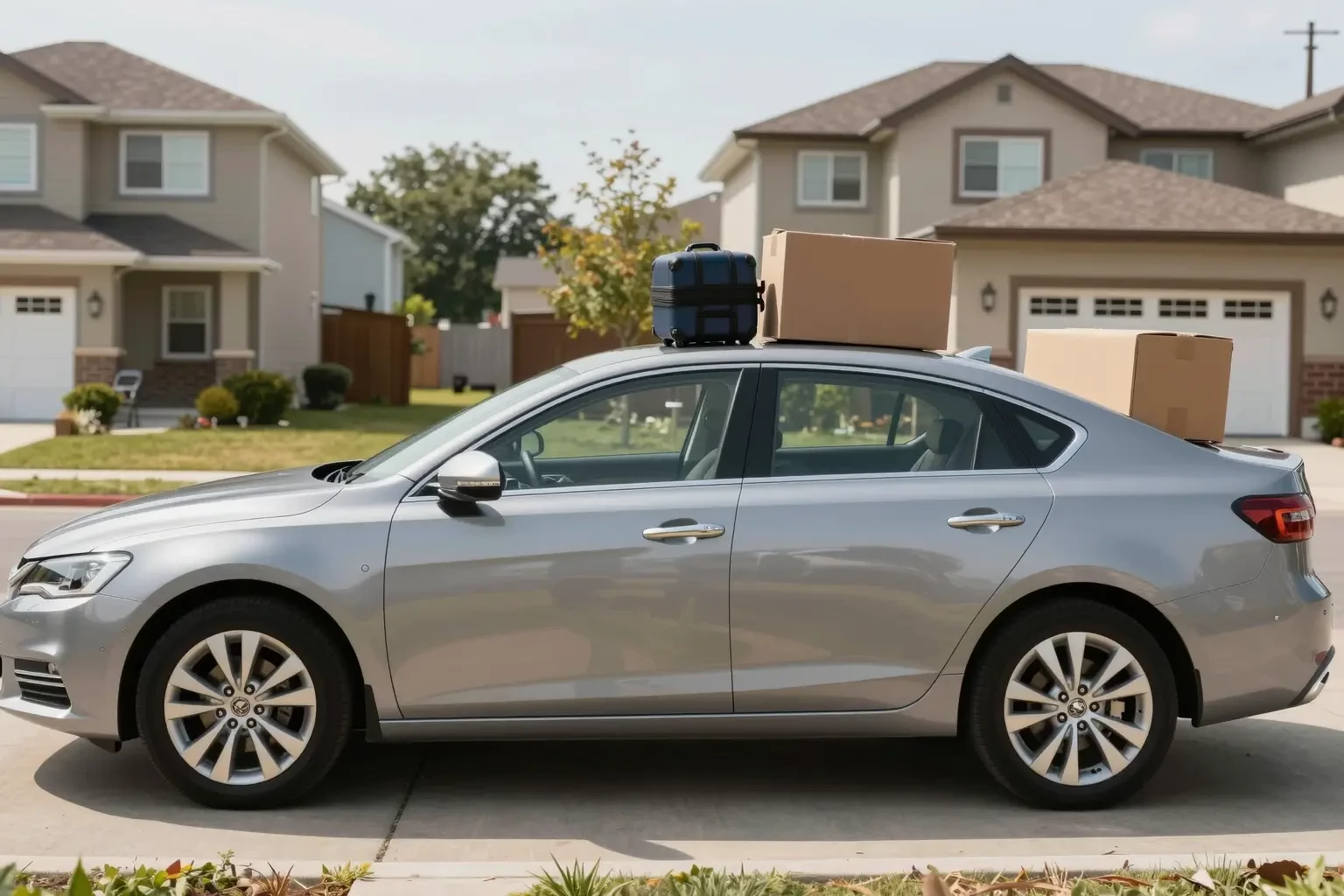
Shipping a vehicle across the country can be a daunting task, especially when considering the logistics involved in car transport. One common question that arises when planning a move is whether you can ship your car with personal belongings inside. This article will delve into the intricacies of vehicle shipping and provide insights on what is permissible and what is not when it comes to packing your car for transport.

Understanding Vehicle Shipping

Whether you’re relocating or purchasing a vehicle from another state, using a professional moving service or auto shipping company can simplify the process. These companies offer various transport options, including enclosed transport and open transport, each with its own set of advantages and limitations.

Open vs. Enclosed Transport

  • Open Transport: This is the most common and cost-effective method of shipping vehicles. However, your car will be exposed to weather and road conditions.
  • Enclosed Transport: Provides additional protection by securing the vehicle inside a covered trailer, often at a higher shipping cost.

Shipping Regulations and Policies

When considering shipping your car with personal belongings, it’s crucial to understand the shipping regulations and shipping policy of the transport carrier. Most auto shipping companies have strict rules regarding the transport of items inside the vehicle during transit.

Prohibited Items

Generally, prohibited items include hazardous materials, perishable goods, and valuable or irreplaceable items. Transport carriers are typically not licensed to carry household goods, which can affect cargo insurance coverage if personal belongings are included.

Weight Restrictions

Weight restrictions are another consideration. Excess weight can impact the vehicle’s safety during transit and may lead to additional shipping costs. It’s essential to adhere to the guidelines provided by the shipping company to avoid any issues.

Packing Guidelines

If the shipping company allows personal items, it’s important to follow specific packing guidelines to ensure vehicle safety and security:

  1. Distribute weight evenly inside the vehicle.
  2. Secure all items to prevent movement during transit.
  3. Avoid placing items in the front seat to prevent damage to interior features.
  4. Keep a detailed inventory of all items inside the vehicle.

Cross-Country Shipping Considerations

When planning for cross-country shipping, consider the following factors:

  • Delivery Time: Be aware that delivery times can vary based on distance and the type of transport chosen.
  • Secure Transport: Select a reputable company that prioritizes secure transport and offers cargo insurance options.

Alternatives to Shipping with Personal Belongings

If the risks associated with shipping personal belongings inside your car seem too high, consider alternative options:

  • Ship belongings separately using a dedicated moving service.
  • Transport smaller, essential items yourself if feasible.

While the idea of shipping a car with personal belongings may seem convenient, it’s crucial to weigh the risks and adhere to the shipping regulations set by auto shipping companies. Always check with your chosen transport carrier to understand their specific policies and ensure a smooth and stress-free relocation experience. By considering all aspects of vehicle shipping, from weight restrictions to prohibited items, you can make informed decisions that align with your needs and priorities.


Which royal caribbean ship has bumper cars

When planning a family vacation that combines adventure, entertainment, and an active lifestyle, cruising with Royal Caribbean’s Quantum Class ships is an excellent choice․ These ships offer a range of innovative features and onboard attractions designed to cater to families and travelers who enjoy engaging activities․ Among the standout attractions on these ships are the bumper cars, a unique and thrilling experience that brings joy to both kids and adults alike․

The Quantum Class: A New Era of Cruising

Royal Caribbean’s Quantum Class ships represent a new era in cruising, featuring state-of-the-art technology, luxurious accommodations, and a wide variety of activities for guests of all ages․ This class includes some of the most innovative ships in the fleet, setting a new standard for entertainment and family activities at sea․

Anthem of the Seas

Anthem of the Seas, one of the prominent members of the Quantum Class, is renowned for its diverse range of entertainment options․ Whether you’re seeking adventure or relaxation, Anthem of the Seas offers something for everyone․ The ship’s SeaPlex is a hub of activity, boasting the first-ever bumper cars at sea․ This multifunctional space transforms into a roller skating rink, a basketball court, and a circus school, providing endless entertainment for families․

Ovation of the Seas

Ovation of the Seas is another outstanding ship in the Quantum Class lineup․ Known for its breathtaking itineraries and innovative features, Ovation of the Seas is designed to offer an unforgettable vacation experience․ The ship also features the SeaPlex, where guests can enjoy a thrilling ride on the bumper cars․ This attraction adds an element of excitement to your cruise, making it a perfect activity for family bonding and creating lasting memories․

Spectrum of the Seas

Spectrum of the Seas is the first ship in the Quantum Ultra Class, an evolution of the Quantum Class, and it continues to push the boundaries of cruising innovation․ Onboard Spectrum of the Seas, guests can experience the vibrant SeaPlex, which houses the popular bumper cars․ This attraction, along with other family-friendly activities, ensures that guests of all ages have a fun-filled and adventurous journey․

The SeaPlex: A Hub of Family Activities and Entertainment

The SeaPlex is a groundbreaking entertainment venue found on Quantum Class ships․ It is the largest indoor active space at sea, providing a versatile environment where families can engage in a wide variety of activities․ From bumper cars to basketball games, the SeaPlex offers something for everyone, making it a central attraction for those seeking an active lifestyle during their cruise․

  • Bumper Cars: The highlight of the SeaPlex, the bumper cars offer a thrilling and unique experience at sea․ Guests can enjoy the excitement of driving and bumping into each other, creating laughter and fun for all ages․
  • Roller Skating: The SeaPlex transforms into a roller skating rink, allowing guests to glide and dance to music, bringing a retro vibe to the high seas․
  • Basketball Court: For those looking to engage in some friendly competition, the SeaPlex provides a full-size basketball court where guests can shoot hoops and participate in tournaments․
  • Circus School: Guests can unleash their inner acrobat by participating in the circus school, where they can learn trapeze skills and other circus arts․

Innovative Features and Onboard Attractions

Quantum Class ships are renowned for their innovative features that enhance the cruising experience․ Beyond the SeaPlex, guests can enjoy a variety of attractions that cater to different interests and preferences․

  • North Star: An engineering marvel, the North Star is a glass capsule that rises 300 feet above sea level, providing breathtaking 360-degree views of the ocean and ports of call․
  • RipCord by iFLY: This skydiving simulator allows guests to experience the thrill of freefalling in a safe and controlled environment, making it a must-try activity for adventure seekers․
  • Two70: A transformative entertainment space, Two70 offers immersive performances with a combination of live performers, digital art, and robotics, creating a one-of-a-kind show experience․
  • Virtual Balconies: Interior staterooms on Quantum Class ships feature virtual balconies, offering real-time views of the ocean and destinations, enhancing the guest experience․

Choosing to cruise on a Quantum Class ship with Royal Caribbean ensures a vacation filled with adventure, entertainment, and family fun․ The presence of bumper cars on ships like Anthem of the Seas, Ovation of the Seas, and Spectrum of the Seas adds a unique element to the cruise experience, making it an ideal choice for families seeking active and engaging activities․ With innovative features and a wide range of onboard attractions, these ships offer something for everyone, ensuring that every guest enjoys an unforgettable journey at sea․

How to ship cars

Shipping a car can seem like a daunting task, but with the right information and planning, it can be a seamless process. Whether you’re relocating, purchasing a vehicle from afar, or sending a car to a loved one, understanding the logistics of auto transport is crucial. This article will guide you through the essential steps of shipping cars, covering important aspects such as transportation options, cost, and scheduling.

Understanding Auto Transport

Auto transport involves the relocation of vehicles from one destination to another using various shipping services. It can be categorized into domestic shipping and international shipping, depending on whether the vehicle is being moved within the same country or across borders.

Types of Auto Transport

There are primarily two types of transport methods:

  • Open Transport: The most common and cost-effective method. Vehicles are transported on an open car carrier, which exposes them to weather and road conditions.
  • Enclosed Transport: Offers added protection by placing vehicles in an enclosed trailer. This is ideal for luxury, classic, or high-value cars.

Choosing the Right Shipping Service

When selecting a shipping service, several factors should be considered to ensure a smooth transit. Here are key points to consider:

Shipping Options

  • Door-to-Door: The vehicle is picked up from a specified location and delivered directly to the destination.
  • Terminal-to-Terminal: Requires the vehicle to be dropped off and picked up at designated terminals, which can be more economical but less convenient.

Carriers and Freight

The choice of carrier is crucial. Research carriers who have a reputation for reliability and safety. Freight options should align with your budget and specific needs.

Insurance

Ensure the shipping service provides adequate insurance coverage. This protects against potential damage during transit. Verify the terms and conditions of the insurance policy before proceeding.

Cost and Quotes

Request quotes from multiple carriers to compare costs. Be aware that the cheapest option may not always be the best. Consider factors such as transit time, insurance, and reputation.

Scheduling and Planning

Effective scheduling is vital for a successful auto transport. Here are some steps to follow:

Pickup and Delivery Dates

Decide on flexible pickup and delivery dates, as this can impact the cost and availability of carriers.

Transit Time

Understand the estimated transit time, which can vary based on distance, weather, and carrier schedules. International shipments typically take longer due to customs regulations.

Tracking and Communication

Opt for services that offer tracking capabilities. This allows you to monitor the vehicle’s location and estimated delivery time. Maintain communication with the carrier for updates.

Safety and Regulations

Adhering to safety and regulatory standards is crucial when shipping vehicles. Here are some considerations:

Vehicle Preparation

  • Clean the vehicle and remove personal belongings.
  • Document any existing damages with photographs.
  • Ensure the vehicle is in working condition with minimal fuel.

Carrier Regulations

Ensure the carrier complies with all federal and state regulations. For international shipping, be aware of customs requirements and necessary documentation.

Shipping a car involves careful consideration of various factors, including the choice of transportation method, carrier, cost, and scheduling. By understanding these elements, you can ensure a safe and efficient relocation of your vehicle. Always prioritize safety, insurance, and reliable service to protect your investment. Whether opting for door-to-door convenience or economical terminal-to-terminal options, thorough planning will facilitate a smooth auto transport experience.

How to ship a care package

Sending a care package is a wonderful way to show someone you care, whether it’s for a special occasion, a surprise gift, or simply a heartfelt gesture. However, ensuring the safe and timely delivery of your package requires attention to detail and proper preparation. This guide will walk you through the essentials of shipping a care package, from choosing the right packaging materials to understanding the logistics of international shipping and customs.

Step 1: Choose the Contents

The first step in creating a care package is deciding what items to include. Consider the recipient’s interests, needs, and preferences. Whether it’s snacks, books, personal care items, or homemade gifts, make sure the items are thoughtful and relevant. Remember to check for any fragile items that may require extra protective wrapping.

Step 2: Select Appropriate Packaging Materials

Using the right packaging materials is crucial to protect the contents during transit. Here are some options:

  • Box: Choose a sturdy box that can withstand handling during delivery. Ensure it is the right size for your items.
  • Bubble wrap: Wrap fragile items individually with bubble wrap to prevent damage.
  • Tape: Use strong packing tape to securely seal the box.

Step 3: Secure the Package

After placing all items in the box, fill any empty spaces with cushioning materials like foam peanuts or crumpled paper to avoid shifting during transit. Use tape to seal all openings and reinforce corners for added security. A secure package makes for a happy recipient.

Step 4: Label the Package

Proper labeling is essential for the successful delivery of your care package. Ensure the shipping label includes the correct address of the recipient and your sender address. Double-check for accuracy to avoid delivery delays.

Step 5: Calculate Postage

Take your package to the post office or use an online service to calculate the postage cost based on the package’s size, weight, and destination. Make sure to affix the correct postage to avoid any issues during mailing.

Step 6: Choose a Shipping Carrier

Select a reliable shipping carrier that suits your needs. Consider factors like delivery speed, cost, and tracking availability. Most carriers offer options for domestic and international shipping.

Step 7: Track Your Package

Once your package is in transit, use the tracking number provided by the shipping carrier to monitor its progress. This ensures peace of mind and allows you to keep the recipient informed about the expected delivery date.

Step 8: Prepare for International Shipping

If you’re sending a care package overseas, be aware of customs regulations and any restrictions on certain contents. Complete any required customs forms accurately to avoid delays.

Step 9: Add a Personal Touch

To make your care package truly special, include a handwritten note or a personal touch. This simple gesture can enhance the surprise and show your thoughtfulness.

Step 10: Review Before Sending

Before handing your package over to the shipping carrier, do a final review. Ensure all contents are properly secured, the box is sealed, and all labels are correctly affixed. This final check guarantees a smooth delivery.

Tips for Shipping Care Packages

  • Consider purchasing insurance for valuable or irreplaceable items.
  • Be mindful of the weather conditions that could affect perishable items.
  • Use eco-friendly packaging materials to minimize environmental impact;

By following these steps, you can ensure that your care package arrives safely and brings joy to the recipient. A well-prepared package not only reflects your care but also navigates the complexities of logistics efficiently. Happy shipping!

How to ship a car to puerto rico

Shipping a vehicle to Puerto Rico involves careful planning and understanding the various aspects of the process‚ including logistics‚ shipping costs‚ and customs regulations. Whether you’re moving to the island or selling a car overseas‚ it’s essential to know how to navigate the car transportation process efficiently.

Understanding Vehicle Transport and Puerto Rico Shipping

Vehicle transport to Puerto Rico necessitates selecting a reliable auto shipping service. It’s important to choose a transport company with experience in overseas vehicle delivery. These companies offer various vehicle delivery options‚ including roll-on/roll-off (RoRo) and container shipping‚ each with its own benefits.

Choosing an Auto Shipping Service

When selecting an auto shipping service‚ consider factors such as reputation‚ insurance coverage‚ and customer reviews. Shipping insurance is crucial to protect your car during transit. A reputable transport company will provide comprehensive insurance options.

Understanding International Car Shipping

International car shipping requires knowledge of the maritime transport logistics. Vehicles are typically shipped from major ports‚ such as the Port of San Juan‚ where they are loaded onto vessels for transport. Understanding the shipping routes and schedules can help you plan better.

The Car Shipment Process

The car shipment process to Puerto Rico involves several key steps:

  • Choose a Shipping Method: Decide between RoRo and container shipping. RoRo is generally cheaper and faster‚ while container shipping offers more protection.
  • Prepare the Vehicle: Clean the car‚ remove personal belongings‚ and ensure it is in good working condition. Some services may require the battery to be disconnected.
  • Documentation: Gather necessary documents‚ including the vehicle title‚ registration‚ and photo ID. These are required for customs clearance.
  • Book the Shipment: Schedule your shipment with the transport company. They will provide a timeline and instructions for dropping off the vehicle at the departure port.

Shipping Costs and Freight Services

Shipping costs vary based on the method of transportation‚ vehicle size‚ and distance. Freight services will provide a detailed quote‚ including any additional fees such as fuel surcharges or port handling charges. It’s advisable to compare quotes from multiple companies to find the best deal.

Customs Regulations and Puerto Rico Car Import

Understanding customs regulations is crucial when importing a car to Puerto Rico. Vehicles must comply with local emissions and safety standards. Furthermore‚ import duties may apply depending on the vehicle’s age‚ type‚ and country of origin.

Vehicle Registration and Import Duties

Once the vehicle arrives in Puerto Rico‚ it must be cleared through customs. Import duties and taxes will be assessed‚ which vary based on the car’s value and specifications. After clearing customs‚ the vehicle must be registered with the local DMV‚ and this process may involve additional fees and inspections.

Transportation Logistics and Vehicle Export

If you need to export a vehicle from Puerto Rico‚ the process is similar but involves additional steps for international transport. Ensure compliance with both Puerto Rican and destination country regulations. Working with an experienced transport company can simplify the logistics.

Tips for Successful Vehicle Transport

  • Plan Early: Start the process as early as possible to accommodate any delays or unexpected issues.
  • Research Thoroughly: Understand the regulations and requirements of both Puerto Rico and your destination.
  • Communicate Clearly: Maintain open communication with your transport company to stay informed about the progress and any changes.

Shipping a car to Puerto Rico can be a seamless experience with the right preparation and knowledge. By understanding the car shipment process‚ choosing the right shipping method‚ and complying with customs regulations‚ you can ensure your vehicle arrives safely and efficiently.

How to ship a car abroad

Shipping a car internationally can be a complex process, but with the right guidance, it can be smooth and efficient. Whether relocating or purchasing a vehicle from overseas, understanding the intricacies of international car shipping is essential. This article will guide you through the process, covering key aspects such as overseas vehicle transport, choosing the right auto transport companies, and understanding shipping costs and customs regulations.

Choosing the Right Auto Transport Company

The first step in shipping a car abroad is selecting a reliable auto transport company. Look for companies with experience in overseas vehicle transport and a good reputation. It’s important to compare quotes and services, as shipping costs can vary significantly.

Shipping Costs

Shipping costs depend on several factors, including the car’s size, the distance between the port of departure and the delivery destination, and the chosen shipping method. Get detailed quotes from multiple companies to ensure you’re getting the best deal.

Shipping Methods

There are several car shipping methods to choose from:

  • Container Shipping: This method involves placing the vehicle in a large shipping container. It is a secure option, protecting the car from the elements and potential damage.
  • Roll-on/Roll-off (RoRo): In this method, vehicles are driven onto a ship and secured for transport. It is typically less expensive than container shipping but offers less protection.

Understanding Customs Regulations

Customs regulations can vary by country, so it’s crucial to research the specific requirements of the destination country. This includes understanding vehicle import/export laws, taxes, and duties.

Documentation Requirements

Proper documentation is essential for international car shipping. Required documents typically include:

  • Bill of Lading
  • Vehicle Title and Registration
  • Proof of Ownership
  • Import/Export Declaration

Using Freight Forwarding Services

Freight forwarding services can simplify the car shipping process. These services handle logistics, paperwork, and coordination with shipping companies. They can be especially helpful for those unfamiliar with the intricacies of international shipping.

Transit Times

Transit times for international car shipping can range from a few weeks to several months, depending on the distance and shipping method. It’s important to plan ahead and consider any potential delays.

International Shipping Insurance

Opting for international shipping insurance is wise to protect against potential damage or loss during transit. Review the insurance policy carefully to understand what is covered.

Shipping a car abroad requires careful planning and consideration of various factors, including choosing the right shipping method, understanding customs regulations, and ensuring proper documentation. By working with experienced auto transport companies and potentially leveraging freight forwarding services, you can ensure a smooth and successful transport of your vehicle from the port of departure to the delivery destination.

How much to ship a car internationally

Shipping a car internationally can be a complex process that involves understanding various factors‚ including vehicle transport costs‚ import/export regulations‚ and destination country requirements. Whether you’re relocating abroad or purchasing a vehicle from overseas‚ it’s crucial to grasp the intricacies of international car shipping.

Understanding Vehicle Transport Costs

The primary consideration in international car shipping is the overall vehicle transport costs. These costs can vary significantly based on several factors:

  • Vehicle Size and Weight: Larger and heavier vehicles incur higher shipping costs due to increased freight charges.
  • Shipping Method: Options like roll-on/roll-off service‚ container shipping‚ and air freight for cars each have different pricing structures.
  • Maritime Shipping Routes: The distance and popularity of the shipping route can impact costs.
  • Destination Port Fees: Charges at the receiving port must be considered.
  • Customs Clearance Fees: Import duties and taxes are dependent on the destination country’s regulations.

Choosing the Right Shipping Method

International car shipping offers several methods‚ each with its own advantages and cost implications:

Roll-On/Roll-Off Service

This economical method involves driving the vehicle onto a specialized ship. It is suitable for standard-sized vehicles but may not be ideal for high-end or classic cars due to exposure to the elements.

Container Shipping

Providing more protection‚ container shipping allows vehicles to be transported in enclosed units. This method is preferred for valuable or delicate vehicles as it reduces the risk of damage.

Air Freight for Cars

Though costly‚ air freight is the fastest option. It’s ideal for urgent shipments or transporting luxury vehicles‚ where time and safety are paramount.

Freight Shipping Rates

The freight shipping rates are influenced by several factors‚ including the type of vehicle‚ shipping method‚ and route. Rates can fluctuate based on:

  • Seasonal Demand: High demand periods can increase costs.
  • Fuel Prices: Fluctuating fuel costs affect shipping rates.
  • Insurance Costs: Shipping insurance is vital to protect against potential damage or loss.

Customs and Import/Export Regulations

Understanding import/export regulations is vital to avoid delays and additional costs. Each country has specific requirements regarding:

  • Documentation for Shipping: Proper paperwork‚ including the Bill of Lading and vehicle title‚ is necessary.
  • Destination Country Requirements: Compliance with local laws and standards is essential.
  • Customs Clearance Fees: These fees vary by country and are necessary for legal entry.

International Logistics and Auto Transport Companies

Partnering with experienced auto transport companies ensures a smoother shipping process. These companies handle international logistics and offer services like:

  • Door-to-Door Delivery: Convenience of pickup and delivery directly from and to the specified locations.
  • Port-to-Port Shipping: Economical option where you manage the transport to and from ports.
  • Documentation Assistance: Help with necessary paperwork and compliance.

Delivery Timelines

Shipping timelines vary based on factors such as shipping method and route. Generally:

  • Roll-On/Roll-Off Service: Typically takes longer due to port handling times.
  • Container Shipping: Offers a balance between cost and time efficiency.
  • Air Freight for Cars: Fastest option‚ ideal for urgent deliveries.

Shipping a car internationally requires careful planning and understanding of various elements such as vehicle transport costs‚ freight shipping rates‚ and import/export regulations. By selecting the right car shipping services and familiarizing yourself with destination country requirements‚ you can ensure a smooth‚ efficient‚ and cost-effective shipping experience.

How much to ship a car from japan to usa

Shipping a car from Japan to the USA involves multiple factors that influence the overall cost․ Understanding these components can help potential importers make informed decisions․ This article explores the key aspects of car transportation between these two countries, including shipping cost, international shipping regulations, and the steps involved in the shipping process․

Understanding Shipping Costs

The shipping cost of transporting a vehicle from Japan to the USA varies depending on several factors․ These include the type of vehicle, the selected transport company, and the chosen shipping method․ The most common methods are ocean freight and air freight, with ocean freight being the more economical option for most importers․

Factors Influencing Shipping Costs

  • Vehicle Size and Weight: Larger and heavier vehicles generally incur higher shipping charges․
  • Shipping Method: Choosing between container shipping and roll-on/roll-off (RoRo) can affect costs․ Container shipping offers more protection but is usually more expensive․
  • Shipping Distance: The longer the distance, the higher the shipping cost․ This includes transit from the port in Japan to the final delivery location in the USA․
  • Customs Fees and Import Taxes: Customs fees and import taxes must be factored into the total cost of car importation․
  • Freight Charges: Freight charges paid to the transport company for handling and moving the vehicle․

Shipping Process and Regulations

The shipping process from Japan to the USA involves several steps, each governed by specific shipping regulations and requirements․ Here’s a breakdown of the typical process:

Step-by-Step Shipping Process

  1. Obtaining a Shipping Quote: Contact a reputable transport company to get a shipping quote that outlines the estimated freight charges and additional fees․
  2. Vehicle Preparation: Ensure the car is cleaned and all personal belongings are removed․ The vehicle should meet both Japanese export and US import standards․
  3. Documentation: Prepare necessary documentation, including the bill of sale, vehicle title, and any additional paperwork required for customs clearance․
  4. Loading and Transportation: Depending on the chosen method, the vehicle is either loaded into a container or onto a RoRo vessel for maritime transport․
  5. Customs Clearance: Upon arrival in the USA, customs officials inspect the vehicle․ Import taxes and customs fees are assessed before the vehicle is cleared for delivery․
  6. Final Delivery: Arrange for the car to be delivered to the desired location in the USA, either directly to your address or to a specified pick-up point․

Transit and Delivery Time

The transit time for shipping a car from Japan to the USA depends on the shipping method and the ports involved․ Typically, ocean freight takes 4 to 6 weeks․ However, delivery time can be affected by factors such as weather conditions, port congestion, and customs processing times․

Shipping a car from Japan to the USA is a complex process that involves multiple costs and steps․ By understanding the factors that influence shipping costs, the shipping process, and the necessary regulations, importers can better navigate the intricacies of international shipping․ Whether you’re importing a classic vehicle or a modern car, planning and choosing the right transport company are crucial for a smooth experience․ Always ensure that you comply with shipping regulations and factor in all potential fees to avoid unexpected expenses during your car importation․

How much to ship a car across country

Shipping a car across the country can be a daunting task, with various factors influencing the transport cost. Whether you’re relocating, buying a car from a distant seller, or sending a vehicle to a family member, understanding the intricacies of vehicle transport is crucial. This article delves into the costs associated with auto shipping, the factors affecting these costs, and the different shipping methods available.

Understanding Car Shipping Costs

The cost of cross-country shipping is influenced by several factors. Key considerations include the transport distance, the type of car transport service chosen, and the specifics of the vehicle being shipped. On average, shipping rates can range from $500 to $1,500, but this varies significantly based on the mentioned factors.

  • Transport Distance: The farther the distance, the higher the cost. Long-distance transport across the country will naturally incur higher fees than shorter routes.
  • Vehicle Type and Condition: Larger vehicles like SUVs and trucks typically cost more to ship than smaller cars. Additionally, non-working vehicles might require special equipment, increasing costs.
  • Shipping Methods: The choice between open and enclosed transport can affect the price. Enclosed transport offers more protection but at a higher cost.

Choosing a Vehicle Shipping Company

Selecting a vehicle shipping company is a critical step in the process. It’s vital to choose a reputable company to ensure your vehicle’s safety and timely delivery. Here are some tips for selecting the right company:

  1. Research and compare shipping quotes from multiple companies to find the best rates.
  2. Check reviews and ratings to assess the company’s reputation.
  3. Ensure the company is licensed and insured to protect your vehicle during transit.

Shipping Methods: Open vs. Enclosed Transport

When it comes to auto transport carrier options, you generally have two choices: open and enclosed transport. Each has its pros and cons:

Open Transport

This is the most common and cost-effective method. Vehicles are transported on an open carrier, which is similar to the trucks you see on highways. However, because the cars are exposed to weather elements and road debris, there’s a minor risk of damage.

Enclosed Transport

For those seeking additional protection, enclosed transport is the way to go. Vehicles are shipped in a covered trailer, shielding them from the elements and potential damage. This option is ideal for luxury, classic, or high-value cars but comes with higher shipping rates;

Calculating Transportation Fees

Several elements contribute to the total transportation fees:

  • Base Cost: Determined by the distance and the shipping method chosen.
  • Fuel Surcharges: These can fluctuate based on current fuel prices.
  • Additional Services: Services such as door-to-door delivery or expedited shipping might incur extra charges.

Car Delivery and Timing

The timing of car delivery can vary. Typically, nationwide shipping takes between 7 to 14 days. However, factors such as weather, traffic, and route changes can affect delivery times. It’s advisable to plan ahead and schedule your vehicle relocation well in advance to avoid any inconvenience.

Final Thoughts on Moving a Car

When it comes to moving a car across the country, understanding the myriad factors that influence pricing is essential. Whether you opt for budget-friendly open transport or the added security of enclosed transport, the key is to choose a trusted car hauler that offers competitive rates and reliable service.

By carefully considering the options and conducting thorough research, you can ensure a smooth and cost-effective vehicle transport experience. Remember, the cheapest option isn’t always the best; prioritize a balance between cost, safety, and reliability to ensure your vehicle arrives in the condition you expect.

How much ship car across country

Shipping a vehicle across the country can be a daunting task‚ but with the right information and planning‚ it becomes a manageable process. Understanding the factors that influence vehicle transport costs and the options available can help you make informed decisions. In this article‚ we explore the intricacies of auto shipping‚ focusing on cross-country transportation‚ and provide insights into transportation cost‚ car carrier options‚ delivery time‚ and more.

Factors Affecting Transportation Cost

The cost of shipping a car across the country is influenced by several factors:

  • Distance: Naturally‚ the further you need to ship your car‚ the higher the cost. Long-distance transport across the country will typically be more expensive than shorter routes.
  • Vehicle Size and Weight: Larger and heavier vehicles cost more to ship due to increased space and fuel consumption.
  • Type of Transport: The choice between enclosed transport and open transport affects pricing. Enclosed transport offers more protection but at a higher price.
  • Pickup and Delivery Locations: Shipping from or to remote or difficult-to-access areas can increase costs due to the added logistics involved.
  • Season and Demand: Shipping rates can vary with the season. Higher demand during certain times of the year‚ like summer‚ can lead to increased prices.
  • Route Planning: The efficiency of the planned route by the shipping company can impact costs‚ with more direct routes generally being cheaper.

Car Carrier Options

When considering vehicle relocation‚ it’s essential to understand your options regarding car carriers:

  1. Open Transport: This is the most common and cost-effective method. Vehicles are loaded onto an open-air carrier‚ which is more exposed to the elements but significantly cheaper.
  2. Enclosed Transport: Offers additional protection as vehicles are shipped in a covered carrier. Ideal for luxury‚ vintage‚ or high-value vehicles‚ though more expensive due to the added security.

Delivery Time and Logistics

The delivery time for cross-country vehicle shipment depends on several factors including the distance‚ route‚ and carrier efficiency. Generally‚ shipping a car across the country can take anywhere from 7 to 14 days.

Effective logistics and route planning by the shipping company can help reduce delivery times and ensure a smoother process.

Transit Insurance

Most reputable shipping companies offer transit insurance to cover potential damages during transportation. It’s crucial to understand the coverage limits and terms before committing to a service.

Choosing a Shipping Company

When selecting a car transport service‚ consider the following:

  • Reputation: Look for companies with good reviews and a strong track record in nationwide shipping.
  • Freight Charges: Compare quotes from multiple companies to find competitive rates. Be sure to understand what is included in the freight charges.
  • Customer Service: Choose a company known for excellent customer service and clear communication.

Shipping a car across the country involves navigating several factors‚ from choosing the right vehicle transport method to understanding transportation costs and logistics. By considering all aspects from car carrier options to transit insurance‚ you can ensure a smooth and cost-effective vehicle shipment experience.