
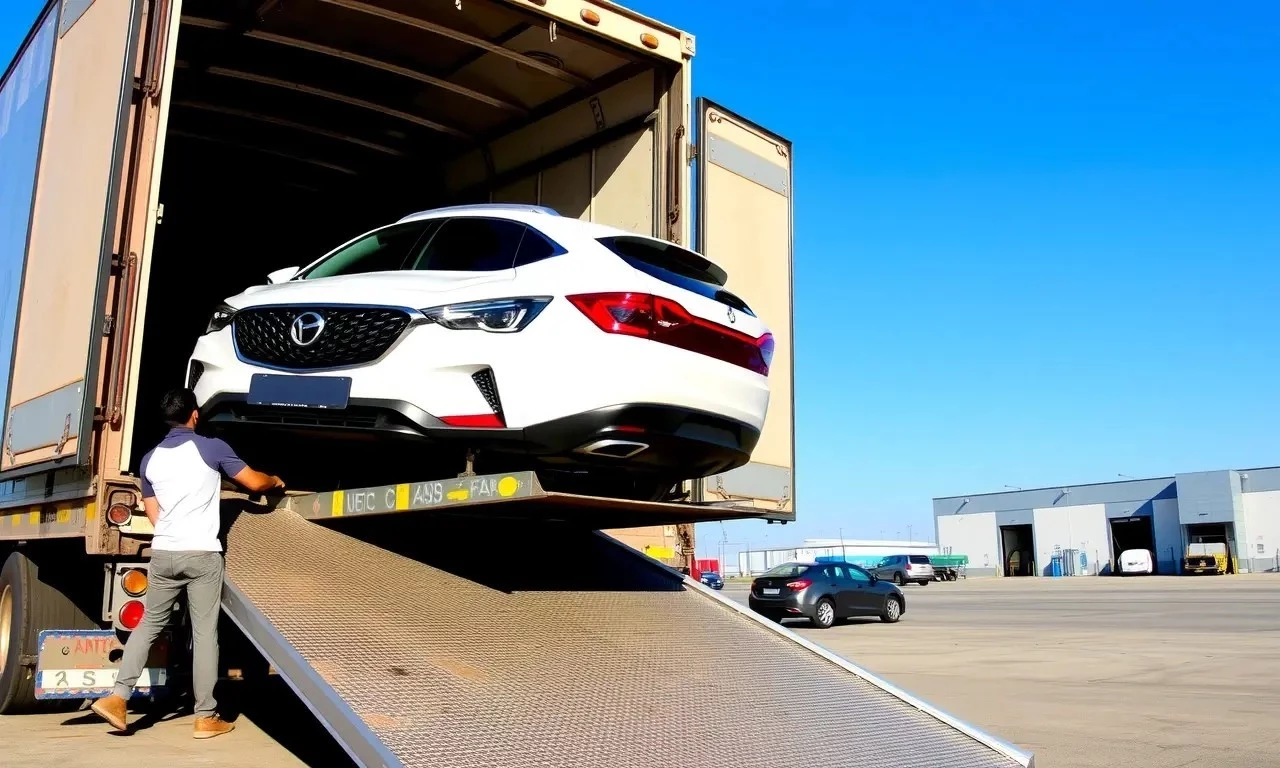
Shipping a car can be a daunting task if you’re unfamiliar with the process. Whether you’re moving across the country, relocating internationally, or purchasing a vehicle from a distant seller, understanding the intricacies of vehicle transport is crucial. This guide will walk you through the steps of car shipping, highlighting key considerations and options available to you.
Choosing the Right Auto Transport Services
When it comes to car shipping, selecting the right auto transport services is the first step. There are numerous shipping companies out there, and finding a reliable one is essential for a smooth experience. Here’s how you can make an informed choice:
- Research and Compare: Look for reviews and ratings of different transport carriers. Websites and forums can provide invaluable insights into the experiences of other customers.
- Ask for Quotes: Obtain quotes from multiple companies. This will give you a sense of the shipping costs and help you compare different offers.
- Check for Licensing and Insurance: Ensure that the company is licensed and offers adequate transport insurance to protect your vehicle during transit.
Understanding Transport Options
There are two primary types of transport carriers: enclosed transport and open transport. Each has its pros and cons:
- Enclosed Transport: This option provides maximum protection for your vehicle by enclosing it within a carrier. It’s ideal for luxury, classic, or high-value cars, though it tends to be more expensive.
- Open Transport: Most commonly used and cost-effective, open transport involves shipping your car on an open-air trailer. While it exposes your vehicle to the elements, it is generally safe and widely used for standard vehicles.
Door-to-Door Delivery vs. Terminal-to-Terminal
Another vital consideration is choosing between door-to-door delivery and terminal-to-terminal service:
- Door-to-Door Delivery: This service involves picking up your car from your specified pickup location and delivering it directly to your destination address. It’s convenient but may cost more due to the added logistics involved.
- Terminal-to-Terminal: Your car is dropped off and picked up at designated terminals. This can be more affordable but requires you to travel to and from these locations.
Calculating Shipping Costs
Sveral factors influence shipping costs, including:
- Distance: Longer distances typically mean higher costs, especially for cross-country transport or international shipping.
- Vehicle Size and Weight: Larger and heavier vehicles cost more to transport.
- Transport Type: As mentioned, enclosed transport is more expensive than open transport.
- Seasonal Demand: Costs can fluctuate based on the time of year and demand for transport services.
Understanding Delivery Time
Delivery time can vary based on several factors, including distance and the specific logistics of your vehicle relocation. Generally, delivery time estimates are provided by the shipping company, but it’s essential to account for possible delays due to weather, traffic, or other unforeseen circumstances.
Transport Insurance and Safety
Ensure your vehicle is protected with adequate transport insurance. Most shipping companies offer insurance, but it’s crucial to understand the coverage details, including any potential deductibles or limits. For added peace of mind, consider additional insurance coverage if needed.
International Shipping Considerations
If you’re involved in international shipping, there are additional aspects to consider:
- Customs Regulations: Be aware of the customs processes and regulations of the destination country.
- Documentation: Ensure all necessary documentation is prepared, including vehicle registration, title, and import permits if required.
- Freight Services: Work with a shipping company experienced in international vehicle transport to navigate the complexities involved.
Working with Transport Brokers
A transport broker can facilitate the process by connecting you with the right carrier and negotiating terms on your behalf. Brokers can be particularly beneficial if you’re unfamiliar with the industry or need help finding the best rates and services.
Preparing Your Vehicle for Transport
Before your car is picked up, take the following steps to prepare it for shipping:
- Clean Your Vehicle: Wash your car and document any existing damage with photos.
- Remove Personal Items: Ensure your vehicle is empty of personal belongings, as the shipping company is not responsible for them.
- Check for Leaks and Mechanical Issues: Address any leaks or mechanical problems to prevent issues during transport.
- Disable Alarms: Deactivate any alarms to avoid unnecessary disruptions during shipping.
Shipping your car doesn’t have to be a stressful experience. By selecting the right shipping company, understanding your transport options, and preparing your vehicle properly, you can ensure a smooth and successful vehicle relocation. Whether you’re moving across the country or shipping internationally, the information provided in this guide will help you navigate the process with confidence.
Remember to consider all factors, including shipping costs, delivery time, and transport insurance, to make the best decision for your needs. With careful planning and attention to detail, you can ensure your car arrives safely at its new destination.