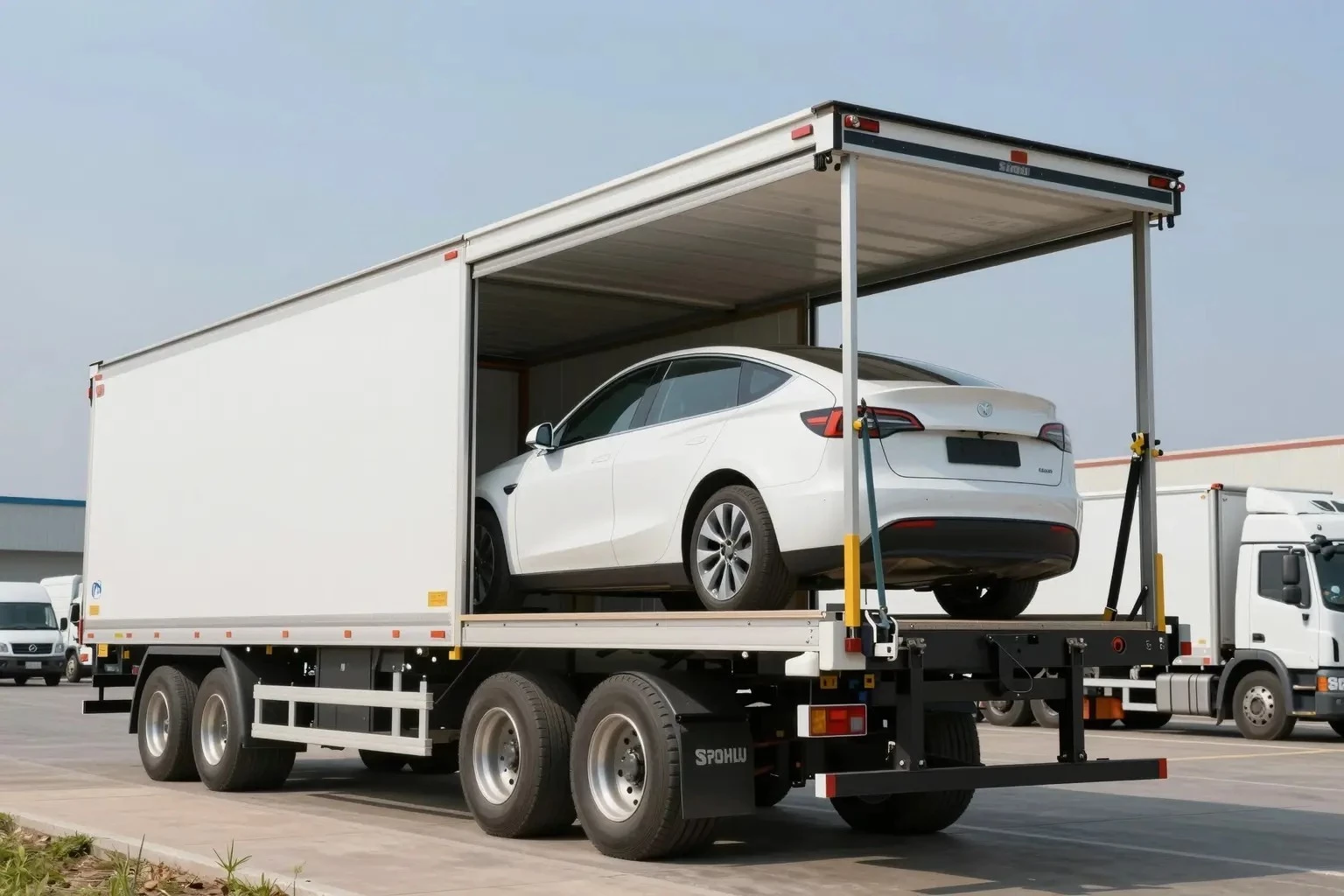
how much to ship a car to another state

Shipping a car to another state can be a daunting task if you are not familiar with the process․ Understanding the factors that affect car shipping cost and how to find the right vehicle transportation service is crucial․ This comprehensive guide will help you navigate the world of interstate car transport and make informed decisions․

Factors Affecting Car Shipping Cost

Several factors influence the cost of shipping a car to another state․ Understanding these can help you estimate auto shipping rates and plan your budget accordingly․

  • Distance: The farther the distance, the higher the cost․ Cross-country vehicle shipping will be more expensive than transporting within the same region․
  • Type of Vehicle: Larger or heavier vehicles may incur higher vehicle shipping costs due to the space and weight they occupy on the car hauler․
  • Transport Type: You can choose between open and enclosed transport․ Enclosed transport offers more protection but costs more․
  • Seasonality: Shipping during peak seasons such as summer or holidays can increase prices due to higher demand․
  • Location: Deliveries to or from remote areas may incur additional charges compared to major cities or highways․
  • Vehicle Condition: Non-operational vehicles may require special equipment and handling, resulting in higher charges․

Types of Car Moving Services

When considering car moving services, it’s important to choose the right type for your needs․ Here are some options available:

Open Transport

This is the most common and cost-effective method of auto transport․ Vehicles are loaded onto an open trailer, exposing them to the elements but significantly reducing costs․

Enclosed Transport

For added protection, enclosed transport involves shipping your vehicle in a covered trailer․ This is ideal for luxury, antique, or high-value cars․

Door-to-Door Delivery

State-to-state car delivery can be made convenient with door-to-door services, where the transporter picks up and delivers the car at specified addresses․

Terminal-to-Terminal Shipping

This option involves dropping off and picking up your vehicle at designated terminals․ It might be cheaper but less convenient than door-to-door services․

Getting Transport Quotes

To get accurate transport quotes, it’s essential to provide detailed information about your shipment․ Here’s what you typically need to supply:

  1. Pickup and delivery addresses․
  2. Make, model, and year of the vehicle․
  3. Preferred shipping dates․
  4. Type of transport (open or enclosed)․
  5. Vehicle’s operational status․

It’s advisable to get quotes from multiple auto transport companies to compare prices and services․ This ensures you get the best deal for your long-distance car delivery․

Choosing the Right Auto Transport Company

When selecting a company for your state-to-state car delivery, consider the following:

  • Reputation: Check online reviews and ratings to ensure the company has a good track record․
  • Insurance: Ensure the company provides adequate insurance coverage for your vehicle during transit․
  • Experience: Choose a company with experience in interstate car transport․
  • Licensing: Verify that the company is licensed and registered with the Department of Transportation․

Understanding Car Freight Charges

Car freight charges can vary widely, so it’s important to understand what you’re paying for․ Charges typically cover:

  • Transport costs based on distance and route․
  • Fuel surcharges, especially if fuel prices are high․
  • Insurance coverage for the trip․
  • Any additional services requested, such as expedited shipping or special handling․

Shipping a car to another state involves several considerations, from understanding the vehicle shipping cost to choosing the right car carrier service․ By considering the factors affecting cost, exploring different car moving services, and comparing transport quotes, you can ensure a smooth and cost-effective relocation for your vehicle․ Whether you’re moving across the country or just a few states away, the right planning and research will ensure your car arrives safely at its new destination․

how to transport flowers in a car

Transporting flowers requires careful planning and consideration to ensure that they arrive at their destination fresh and vibrant. Whether you’re delivering a beautiful floral arrangement‚ heading to a special event‚ or even just bringing home a lovely bouquet‚ following some essential car tips will help maintain your flowers’ integrity. In this guide‚ we’ll explore the best practices for flower care during transport‚ including aspects of vehicle safety‚ temperature control‚ and more.

Understanding the Basics of Flower Care

Your journey with flowers begins even before they enter your car. Proper flower maintenance starts with how they are handled and prepared for transport. Here are the key points to consider:

  • Choose the Right Flowers: Select flowers that are durable for travel. Some varieties are more resilient while others may be delicate and require special attention.
  • Check Flower Condition: Ensure the flowers are fresh and healthy before embarking on your journey. Remove any wilted leaves or dead blooms to enhance moisture preservation.
  • Trim Stems: Trim the stems of your flowers at an angle to allow for better water absorption‚ which is crucial for their survival during the journey.

Preparing for Transport

Before you place your flowers in the car‚ it’s essential to prepare both the flowers and your vehicle. Here’s how to go about it:

Flower Packaging

Proper packaging is key to safeguarding your floral arrangements. Consider the following options:

  • Use Floral Wraps: Wrap individual stems in damp paper towels and then in a plastic or wet floral wrap to help retain moisture.
  • Secure Bouquets: For larger bouquets‚ use a sturdy holder or vase that can be secured in place to prevent them from tipping over during the drive.
  • Use Flower Boxes: Specialized flower boxes can provide a safe‚ sturdy environment for transporting flowers‚ reducing movement and potential damage.

Vehicle Preparation

To protect your car’s interior and ensure a safe transport‚ take the following measures:

  • Car Interior Protection: Lay down a tarp‚ old blanket‚ or protective car mat to catch any spills and to protect your upholstery.
  • Identify a Secure Space: Choose a flat and stable area in your vehicle‚ preferably in the rear seat or trunk‚ where the flowers can sit securely without being jostled.
  • Adjust Seats and Belts: If possible‚ fold down the rear seats to create a flat surface‚ or use seatbelts to help secure flower boxes to prevent them from moving.

Temperature Control During Transportation

Flowers are sensitive to temperature changes. Here are some temperature control tips to help maintain a stable environment during your trip:

  • Avoid Direct Sunlight: Never place flowers in direct sunlight as it can lead to wilting and rapid decay. Use shades or tinted windows to minimize exposure.
  • Manage Air Conditioning: Keep your vehicle cool‚ but avoid making it too cold. A comfortable temperature of around 60-70°F (15-21°C) is ideal for most flowers.
  • Consider Heating: On colder days‚ ensure that the flowers are kept warm enough. Cover them with a light blanket if necessary to protect them from excess cold.

Flower Maintenance During the Trip

Along the journey‚ take additional steps to ensure your flowers remain in the best condition:

  • Monitor for Moisture: Check your flower packaging periodically to ensure that the stems remain moist. If needed‚ mist the flowers lightly with water.
  • Avoid Long Stops: If you need to make stops along the way‚ try to minimize the time the flowers are out of a controlled environment.
  • Keep the Car Ventilated: Open a window slightly to prevent the air from becoming too stagnant‚ but avoid creating a draft that might disturb the flowers.

Special Cases: Road Trip Flowers

If you’re planning a longer trip or a road adventure with road trip flowers‚ consider the following strategies:

  • Plan Ahead: Map out the trip with planned stops for breaks‚ ensuring the flowers won’t be left unattended for long periods.
  • Bring Water Reserve: Carry a small container of water with you to refresh the blooms if necessary during your trip.
  • Check the Weather: Keep an eye on weather conditions along your route to avoid extreme temperatures that may harm your flowers.

Flower Delivery Tips

If you’re handling flower deliveries professionally or personally‚ consider these tips to ensure your floral creations arrive intact:

  • Schedule Delivery Wisely: Time your deliveries so that your flowers spend the least amount of time outside of water and temperature control.
  • Communicate with Recipients: Inform recipients to be prepared for an on-time delivery to reduce the time flowers are outside their ideal conditions.
  • Use Delivery Services: If you’re delivering large quantities‚ consider hiring a professional florist delivery service that specializes in floral storage solutions.

Final Thoughts

Transporting flowers in a car requires careful attention to detail to ensure they arrive fresh and beautiful. By following these tips on flower care‚ vehicle safety‚ and proper flower packaging‚ you can avoid common pitfalls associated with bouquet transport. Whether you’re transporting flowers for a special occasion‚ a road trip‚ or just for the joy of giving‚ implementing these strategies will enhance your success in delivering a stunning floral presentation. Remember that every flower deserves a chance to shine‚ so make their journey a pleasant one!

how much does a medical transportation business make

The medical transportation industry, particularly focusing on non-emergency medical transport (NEMT), has witnessed notable growth due to the increasing demand for patient transportation services within the healthcare system. This article delves into various aspects of operating a medical transportation business, including income, revenue generation, profit margins, and the factors influencing financial success.

Revenue and Income Potential

Understanding how much a medical transportation business can make involves examining different revenue streams. The income of such a business typically derives from:

  • Service rates charged for patient transportation.
  • Insurance reimbursement for medical transports.
  • Partnerships with healthcare facilities, including hospitals and clinics;

On average, medical transportation businesses can expect an annual revenue ranging from $200,000 to over $1 million, depending on service coverage areas and operational scale.

Profit Margins and Operating Costs

Profit margins in the medical transportation sector generally hover around 10% to 20%. However, this can vary greatly based on several factors, including:

  • Business Expenses: Costs such as vehicle maintenance, fuel, insurance, and staff salaries contribute heavily to operating costs.
  • Startup Costs: Initial investments can include purchasing or leasing a fleet of vehicles, acquiring licenses, and funding marketing efforts.
  • Billing Practices: Efficient billing and collection practices can enhance profit margins.

Controlling expenses while maximizing service rates is crucial for improving profitability.

Market Demand and Competition

The medical transportation industry is influenced by market demand, which has been rising due to an aging population and increased reliance on clinical services. However, this sector faces significant competition from other NEMT providers, as well as ride-sharing services that may enter the healthcare logistics market.

To thrive, a medical transportation business must strategically position itself by analyzing local market demand and competitor offerings.

Insurance and Regulatory Considerations

Insurance reimbursement significantly impacts the financial viability of a medical transportation business. Establishing relationships with insurance companies and understanding billing codes can help optimize revenue. Additionally, navigating complex regulatory compliance and licensing requirements is essential for lawful operation.

Licensing Requirements

Obtaining the necessary licenses varies by state, including vehicle and driver certifications. Compliance with local regulations is paramount to avoid costly fines that could affect overall earnings.

Financial Projections and Growth Potential

When starting a medical transportation business, financial projections are essential for determining capital investment needs and assessing ROI (return on investment). This includes:

  • Estimating initial startup costs versus predicted revenue streams.
  • Evaluating operating costs against potential service rates.
  • Monitoring growth potential within the service coverage area.

With thorough strategic planning, a medical transportation business can project growth rates of 10-15% annually, particularly in underserved markets.

Fleet Management and Operational Efficiency

Effective fleet management can significantly influence operating costs and service delivery efficiency. Considerations include:

  • Maintaining vehicle condition for safety and reliability.
  • Tracking mileage and fuel consumption to optimize routes and minimize costs.
  • Scheduling strategies to maximize the efficiency of the customer base served.

Implementing technology solutions, such as route optimization software, can further enhance operational efficiency, contributing positively to profit margins.

Strategic Partnerships and Customer Base Development

Developing partnerships with hospitals, rehabilitation centers, and other healthcare providers can ensure a steady stream of referrals, which is critical for increasing the customer base. Offering reliable and quality services enhances customer satisfaction and leads to repeat business.

Industry Trends Impacting Revenue

A few trends shaping the future of the medical transportation industry include:

  • Growing telehealth services necessitating transport for patients requiring follow-up care.
  • Technological advancements enabling improved scheduling and tracking systems.
  • A shift towards more value-based care models, impacting reimbursement strategies and operational efficiency.

In conclusion, a medical transportation business can offer substantial income potential, but success hinges on strategically managing various financial and operational factors. By thoroughly understanding market demand, effectively managing operating costs, and establishing significant partnerships, business owners can enhance their potential profitability;

With the right approach to service delivery and strong financial planning, the medical transportation industry presents compelling growth opportunities for those willing to navigate its complexities.

can you transport a washing machine on its side

Transporting a washing machine requires careful planning and execution to prevent damage and ensure safe delivery. Whether you are moving to a new home or shipping washing machines for a business, knowing the correct orientation and handling techniques is crucial. This article explores whether it’s safe to transport a washing machine on its side, the risks involved, and guidelines for ensuring safe transport.

Understanding Washing Machine Orientation

Washing machines are designed to function in an upright position. Their internal components, such as the drum, suspension system, and electrical parts, are configured to operate correctly when the machine is vertical. However, circumstances may arise where moving appliances on their sides seems inevitable. In such cases, understanding the implications of machine orientation is essential.

Upright Position vs. On Its Side

When considering the transport of a washing machine on its side, it’s important to note the following:

  • Upright Position: Most manufacturers recommend keeping the washing machine in its upright position during transport. This orientation helps to maintain the integrity of the components and reduces the risk of damage.
  • On Its Side: While it is possible to transport a washing machine on its side, doing so carries a higher damage risk for specific models. The internal drum may become misaligned, and connections can loosen, leading to potential issues during later installation.

Risks of Transporting a Washing Machine on Its Side

Choosing to move your washing machine on its side can introduce several risks:

  1. Damage to Internal Components: The torque and vibrations that washing machines endure when moving sideways can misalign drums or damage the motor, creating issues during operation.
  2. Water Leaks: Residual water within hoses or the drum may leak out during transport, creating a mess and potentially damaging other items in the truck or vehicle.
  3. Electrical Damage: If the machine is not secured properly, internal wiring can become loose or damaged, posing risks during installation.

Weight Distribution and Stability During Transport

Weight distribution is crucial when loading a washing machine for transport. When transporting a washing machine on its side:

  • Ensure the side that will be down is padded to avoid scratches and damage to the exterior.
  • Always secure the appliance with straps to prevent movement during transport.
  • Use a dolly or moving equipment designed for heavy loads to maintain stability and safety.

Guidelines for Safe Transport of Washing Machines

Regardless of the orientation chosen for transport, following these guidelines can reduce the damage risk and increase safety:

Packing Techniques

Proper packing is crucial for protecting your washing machine during transit:

  1. Disconnect Appliances: Before transport, disconnect all hoses and electrical cords. Drain water from all hoses to prevent leaks.
  2. Use Original Packaging: If possible, transport the washing machine in its original box. Use foam or padding to cushion the appliance.
  3. Secure the Drum: Keep the drum secure by using transit bolts that prevent it from moving during transport.

Loading Methods

When loading the washing machine into a moving vehicle, consider the following methods:

  • Use a Ramp: Use a ramp for easier loading to avoid lifting injuries and to reduce the risk of dropping the appliance.
  • Team Lift: Enlist the help of additional movers to safely lift and secure the washing machine.

Securing Appliances

To ensure stability during transport:

  • Secure the washing machine with straps to anchor points in the vehicle.
  • Avoid overloading the vehicle, which can affect weight distribution.
  • Prevent movement by stabilizing it with blankets or padding against other items in the truck.

Transport Precautions

Whether transporting your washing machine upright or on its side, consider these transport precautions:

  1. Freight Considerations: If using a freight service, check with the provider regarding their guidelines for moving appliances;
  2. Appliance Delivery Tips: Make sure delivery personnel are aware of the washing machine type and make, as handling recommendations can vary.

Post-Transport Installation Tips

After your washing machine has been transported, installation is equally important:

  • Check for any visible damage during unloading.
  • Reconnect the hoses, ensuring no leaks are present.
  • Run a short cycle without laundry to check for functionality before full use.

Everything You Need to Know About What a Tune-Up Is

If you’re a DIY mechanic, you’ve likely heard the term “tune-up” thrown around often. But what exactly does it mean, and why is it so important? A tune-up is essentially routine maintenance designed to keep your vehicle running smoothly. It involves inspecting, cleaning, and replacing parts to ensure your car’s engine operates at maximum efficiency. While it may sound simple, regular tune-ups can be the difference between a purring engine and one that sputters its way to an early retirement.

This guide will walk you through everything you need to know about tune-ups—how to recognize when it’s time, the tools you’ll need, a step-by-step guide, and tips to get the most out of your engine.

Symptoms Indicating a Need for a Tune-Up

Before grabbing your toolbox, how do you know your car actually needs a tune-up? Here are some common signs to look out for:

  • Difficulty Starting the Engine: Your car struggles or hesitates to start, even with a charged battery.
  • Reduced Fuel Efficiency: You find yourself visiting the gas station more frequently than usual.
  • Rough Idling: Your engine feels shaky or noisy when idle.
  • Misfiring or Stalling: The engine occasionally sputters, stalls, or misfires while in use.
  • Warning Lights: Illuminated check engine light or other dashboard warnings may indicate an issue.
  • Declining Performance: A noticeable drop in acceleration or power output.

If you’re experiencing any of these symptoms, it’s likely time to roll up your sleeves and give your car a thorough tune-up.

For more automotive insights or solutions, such as reliable car shipping services, visit https://www.blogneews.com/ and explore a range of trusted offerings!

Step-by-Step Guide to Performing a Tune-Up

Here’s how you can complete a tune-up on your own car.

1. Inspect and Replace Spark Plugs

  • Start by removing your car’s spark plugs using a spark plug socket and a ratchet.
  • Check for signs of wear, such as carbon deposits or erosion. Replace with new plugs if necessary and make sure they’re gapped according to manufacturer specifications.

2. Check and Change the Air Filter

  • A dirty air filter restricts your engine’s airflow, leading to poor performance. Remove the air filter and check its condition. If it’s clogged, replace it with a new one.

3. Examine Ignition Wires

  • Inspect ignition wires connected to the spark plugs for cracks, burns, or damage. Replace any worn wires to ensure optimal engine firing.

4. Clean or Replace the Fuel Filter

  • Over time, fuel filters accumulate debris that clogs the flow of fuel to the engine. Replace or clean it according to your car manufacturer’s recommendation.

5. Top Off Fluids

  • Check and refill essential fluids, including motor oil, coolant, brake fluid, and transmission fluid. Overlooked fluids can lead to overheating or mechanical breakdowns.

6. Inspect the Belts and Hoses

  • Check for cracks, wear, or fraying on belts and any leaks in the hoses. Replace damaged components immediately.

7. Check Battery Health

  • Test the car battery’s voltage and clean the terminals to ensure a reliable power source for the ignition system.

Once you’ve completed these tasks, start your engine and take it for a short drive to ensure everything runs smoothly.

Essential Tools and Materials You’ll Need

Having the right tools can make your tune-up job easier and more efficient. Here’s what you’ll need to complete most DIY tune-ups:

  • Socket wrench set
  • Spark plug socket
  • Screwdrivers (flat-head and Phillips)
  • Air filter and fuel filter (specific to your car model)
  • Volt meter for battery testing
  • Fluid refills (oil, coolant, brake fluid, etc.)
  • Cleaning cloth or shop towels
  • Vehicle owner’s manual for guidance

Safety Precautions During a Tune-Up

Working on your car can be incredibly rewarding, but safety should always come first. Follow these tips to work safely and avoid injury:

  • Turn Off the Engine: Always work on your vehicle when the engine is cool and off.
  • Use Proper Lighting: Ensure your workspace is brightly lit to reduce the risk of accidents.
  • Wear Safety Gear: Gloves and eye protection are essential when handling sharp tools or fluids.
  • Disconnect the Battery: To prevent electrical shocks, disconnect the battery before working on electronic components.
  • Work in a Ventilated Area: If you’re using cleaning agents or running the engine, ensure proper ventilation to avoid inhaling harmful fumes.

Advanced Tips for Optimizing Your Engine Performance

Once you’ve mastered the basics, here are a few pro tips to push your engine’s performance to the next level:

  • Upgrade to High-Performance Spark Plugs: Consider iridium or platinum spark plugs for improved combustion and longevity.
  • Use Fuel Additives: Fuel system cleaners help remove deposits from injectors and enhance fuel economy.
  • Keep Tires Properly Inflated: Poor tire pressure affects your engine’s workload, so check tire pressure regularly.
  • Perform Regular Diagnostics: Invest in an OBD2 scanner to detect and address minor issues before they become major problems.

By following these tips, you’ll not only improve your car’s performance but extend its overall lifespan.

Unlock the Benefits of Regular Tune-Ups

A tune-up isn’t just about keeping your car running—it’s about maintaining peak performance while saving time and money on expensive repairs down the line. Here’s what regular tune-ups offer:

  • Improved fuel efficiency
  • Better engine reliability and smoother rides
  • Prolonged vehicle lifespan
  • Reduced emissions for environmentally conscious drivers

Whether you’re an experienced DIY mechanic or just starting out, there’s no better way to ensure your car remains in top condition. Take the first step and give your engine the TLC it deserves today.

Everything You Need to Know About Countries That Will Pay You to Move

Have you ever dreamed of starting a new life abroad? Imagine living in a charming European village or a quiet coastal town, while also being rewarded for doing so. The idea might sound too good to be true, but many countries are now offering financial incentives to attract new residents.

Whether it’s to combat declining populations, boost local economies, or bring in skilled professionals, these programs are becoming increasingly popular. This comprehensive guide will walk you through everything you need to know about countries that will pay you to move. You’ll learn who qualifies, the benefits, real-world examples, and how you can start your application.


Eligibility and Requirements

Before packing your bags, it’s important to know that most of these programs come with eligibility criteria. Here are some common requirements:

1. Age Restrictions

Many programs target younger individuals or families. For example, some Italian villages offering incentives have age caps around 40 to 50, hoping to attract working-age residents who can inject energy into the community.

2. Professional Skills

A growing number of these programs prioritize candidates with specific professional skills. Whether you’re a teacher, healthcare worker, or tech specialist, these countries are often looking for talents that can help sustain their economies.

3. Financial Stability

Most programs require proof of adequate savings or income to demonstrate that you won’t be a financial burden on local resources. This is especially important in rural areas where economic opportunities may be limited.

4. Language Proficiency

Some programs may require fluency or basic proficiency in the local language, or a willingness to learn. For example, moving to Quebec in Canada often comes with the expectation that you’ll learn French.

Understanding these requirements beforehand will help you determine if a particular relocation opportunity is a good fit.

If you’re ready to begin your international move and need a car shipping company, get more information at https://reliableposter.com/. Your dream life abroad awaits!


Benefits of Moving to These Countries

Why do countries offer incentives to attract new residents? The answer lies in the unique perks and support they provide, making relocation highly appealing. Here’s what’s often included:

1. Financial Benefits

  • Housing Stipends: Some programs, like Italy’s effort to repopulate small towns, offer grants to assist with home purchases or renovations.
  • Monthly Allowances: Places like Albania and parts of Ireland will occasionally pay a modest monthly salary to new residents.
  • Tax Breaks: Malta and Portugal offer tax incentives to expats moving under specific investment programs.

2. Cost Savings

Programs often offset costs like housing loans, daycare for children, or transportation, making the move less financially taxing.

3. A Close-Knit Community

For those moving to smaller towns and villages, the community involvement is unparalleled. You’ll typically be greeted with open arms and enjoy support as you settle into your new home.

4. A Chance for Personal Growth

Moving abroad to a sponsored location doesn’t just offer financial perks—it enriches your life. From immersing in a new culture to mastering another language, every moment becomes a growth opportunity.


Real-Life Case Studies

Nothing illustrates the rewards of these opportunities better than real-life examples. Here are several success stories:

  1. Amanda’s Move to Molise, Italy

Amanda, a graphic designer from the U.S., moved to Molise under their €700/month housing stipend program. She was able to renovate a historic property while establishing her freelance business in her dream Italian countryside town.

  1. James and Sarah in Vermont, USA

James and Sarah, a couple working remotely, took advantage of Vermont’s Remote Worker Grant Program. They received $10,000 to offset their moving costs and have since embraced life in their new rural community.

  1. Ahmed’s Journey to Ponga, Spain

Ahmed moved to the quaint village of Ponga in Spain after being drawn to their relocation program offering €3,000 for working-age individuals. Today, he runs a small café that has become a local favorite.

These stories highlight how these relocation programs can provide not just financial benefits, but also a gateway to fulfilling personal and professional lives.


How to Apply for These Opportunities

The application process for relocation programs can seem daunting, but with the right steps, it’s entirely manageable. Here’s a quick guide to help you get started:

1. Research Eligible Countries

Start by exploring countries with active relocation incentive programs. Websites like government portals and expat forums are good resources.

2. Gather Required Documents

Most programs require:

  • Proof of identity (passport or national ID)
  • Proof of income or savings
  • Proof of professional qualifications (if relevant)
  • Language certificates (if required)

3. Submit Application Forms

Applications typically need to be filled out directly through official government websites or authorized agencies.

4. Stay on Top of Deadlines

Keep track of submission dates, as programs can have limited windows for applications.

5. Prepare for Follow-Ups

Once your application is accepted, you may be requested for interviews or additional forms.

By breaking the process into these clear steps, you’ll ensure a smooth path to your dream move!


Challenges and Considerations

Before jumping on a plane, it’s crucial to think through potential challenges. Here’s what to watch out for:

  • Cultural Adjustments: From food to social customs, adapting to a new way of life can require patience.
  • Language Barriers: Do you know the language or are you willing to learn? This can be a significant hurdle for some expats.
  • Job Market Competition: If you’re looking to work locally, understand the job opportunities—and challenges—in your new area.
  • Healthcare Differences: Ensure you understand the healthcare system, especially if it’s vastly different from your current country.

While these challenges might seem intimidating, proper preparation can make them manageable.


Take the Leap – Start Your Relocation Journey Today

Countries offering relocation incentives provide a unique opportunity for expats to explore the world, grow personally and professionally, and even improve their financial standing. From the promise of rural tranquility to the excitement of cultural immersion, there’s much to gain.

Everything You Need to Know About Car Transport from Texas to Florida

Relocating from Texas to Florida can be an exciting, yet overwhelming experience. Beyond finding a new home and packing up your belongings, one major task is figuring out how to move your car. Should you drive it yourself? Or would a car transport service save you time, effort, and stress?

This guide dives into the ins and outs of car transport between Texas and Florida to help you make an informed decision. From understanding the benefits to preparing your vehicle for transport, we’ve covered it all to ensure a smooth move.

If you’re ready to book a trusted car shipping service, head over to https://homeposts.net/ for professional assistance and peace of mind.

Benefits of Car Transport vs. Driving

Driving your car from Texas to Florida might seem like the simplest solution, but there are several reasons why choosing car transport could be a smarter option.

Why Choose Car Transport?

  • Time-Saving

The drive from Texas to Florida can take upwards of 12-17 hours, depending on your starting and ending points. By using a car transport service, you save time for other important moving tasks.

  • Reduced Wear and Tear

A long-distance drive adds mileage and potential wear and tear to your vehicle. Avoid unnecessary strain by opting for safe and secure transport.

  • Cost-Efficient

When you add up gas, food, lodging, and potential vehicle maintenance, the expenses of driving may exceed the cost of shipping your car.

  • Stress-Free Experience

Why worry about weather conditions, road safety, or extended driving hours? A transport service eliminates these stressors, letting you focus on settling into your new home.

Factors Affecting Car Transport Costs

Several factors influence how much it will cost to transport your car. Here’s an overview to give you a clearer understanding of pricing variables.

  • Distance

The longer the route, the higher the cost. Texas to Florida covers over 1,000 miles, so expect your estimate to reflect this mileage.

  • Vehicle Type

Larger vehicles like trucks or SUVs often cost more to transport than compact cars due to weight and size restrictions.

  • Transport Type (Open or Enclosed)

Choosing between open and enclosed transport will impact the price. More on this in the next section.

  • Seasonality

Rates may vary seasonally, with higher demand in summer months or around major holidays.

  • Pickup and Delivery Preferences

Door-to-door service is more expensive than terminal-to-terminal options, but offers greater convenience.

Open vs. Enclosed Car Carriers: Which to Choose?

When booking car transport, you’ll need to decide between two main options: open carriers and enclosed carriers.

Open Carriers

  • What It Is

Cars are transported on an open trailer, exposed to weather elements and road debris.

  • Best For

Everyday vehicles that don’t require extra protection.

  • Pros
  •  
  • Cheaper option compared to enclosed carriers.
  • Widely available.
  • Cons
  •  
  • Less protection for your vehicle during transport.

Enclosed Carriers

  • What It Is

Vehicles are shipped in an enclosed trailer, providing complete protection from weather and debris.

  • Best For

Luxury, antique, or highly valuable cars.

  • Pros
  •  
  • Offers maximum protection during transport.
  • Perfect for high-value vehicles requiring extra care.
  • Cons
  •  
  • Costs significantly more than open carrier transport.

How to Prepare Your Car for Transport

To ensure a smooth shipping process, take these steps to prep your vehicle for transport.

  1. Clean Your Car

Wash your car to reveal any existing scratches, dents, or damage. Take photos for documentation.

  1. Remove Personal Belongings

Transport companies typically don’t allow personal belongings in the car, as they aren’t insured for those items.

  1. Check for Leaks

Inspect and fix any fluid leaks before pickup.

  1. Disable Alarms

Ensure your alarm system is turned off to avoid interruptions during transport.

  1. Reduce Fuel

Keep your gas tank below ¼ full to reduce weight.

  1. Inspect Tires and Battery

Check that your tires are properly inflated and the battery is fully charged.

Finding a Reputable Car Transport Company

Choosing the right transport company ensures a hassle-free experience. Here’s how to identify a reliable service provider.

  • Check Reviews

Look for reviews on trusted platforms such as Google, BBB, or Yelp to gauge customer satisfaction.

  • Verify Licensing

Ensure the company is licensed by the Department of Transportation (DOT) and has valid insurance coverage.

  • Compare Prices

Obtain quotes from multiple companies but be cautious of rates that seem too good to be true.

  • Ask About Insurance

Confirm the company’s insurance policy and what it covers during transit.

  • Clear Communication

Choose a provider that communicates openly and answers your questions thoroughly.

What to Expect During the Car Transport Process

Here’s a step-by-step breakdown of what you can expect once you’ve booked your car transport.

  1. Booking Confirmation

After booking, the transport company will confirm your shipment date and details.

  1. Pickup

A driver will arrive at your specified location for pickup. Ensure you or someone trusted is available to hand over the vehicle.

  1. Transport

Your car is carefully loaded and begins its trip to Florida.

  1. Delivery

Upon arrival, inspect your vehicle to ensure it has been delivered in its original condition.

Tips for a Smooth Car Transport Experience

  • Schedule your transport well in advance to secure your preferred dates.
  • Ensure all necessary documentation is ready, including your ID and insurance information.
  • Communicate clearly with the transport company about pickup and delivery times.
  • Stay reachable during the transport process to address any questions or updates.

Make Your Move Easier with Car Transport

Moving your car from Texas to Florida doesn’t have to be a stressful ordeal. By opting for a reliable car transport service, you can focus on other aspects of your relocation while ensuring your vehicle arrives safely and on time.

Cheapest Way to Move Your Car Across the Country—Everything You Need to Know

Relocating can be exciting, but it comes with its fair share of challenges, especially when it comes to transporting your vehicle. How do you ensure your car makes it to your new destination safely without breaking the bank? Shipping a car across the country might sound expensive, but with some smart planning and the right approach, you can find affordable solutions.

This guide will walk you through the options available for moving your car, the factors that affect costs, and the strategies to keep expenses in check. By the end of this article, you’ll feel informed and ready to make the best decision for your vehicle and wallet.

Understanding Your Options

There are several ways to move your car across the country, and understanding each will help you decide what works best. Here’s a breakdown of the most common methods:

1. Open Carrier Transport

This is the most cost-effective and widely-used car shipping method. Your vehicle is loaded onto an open carrier along with 7–10 other cars. While it’s exposed to the elements during transit, it’s a reliable and affordable option for most vehicles.

Best for: Standard sedans, compact cars, and daily drivers.

2. Enclosed Carrier Transport

Enclosed carriers provide full protection from weather, dust, and road debris, making them ideal for high-value or classic cars. Understandably, this method comes with a higher price tag.

Best for: Luxury, exotic, or classic vehicles.

3. Driving It Yourself

Driving your car to your new location can save you money on shipping, but it has its trade-offs. You’ll need to factor in gas, food, lodging, and wear and tear on your car—not to mention the time and energy it takes to drive across the country.

Best for: Short relocations or those who enjoy road trips.

4. Hiring a Professional Driver

You can hire someone to drive your car to your destination. While it’s less common, some services specialize in connecting you with professional drivers.

Best for: Individuals who want their car moved without incurring shipping risks but prefer not to drive themselves.

5. Shipping by Train

Some companies allow you to ship your car via a freight train. While this isn’t available everywhere, it can be a cost-effective option if it fits your route.

Best for: Locations accessible by rail services.

6. Using a Moving Bundle

If you’re already hiring a moving company for your household items, see if they offer a combo deal to include your car. This can simplify logistics and potentially save you money.

Best for: Those bundling services for moving belongings too.

Cost Factors to Consider

Car shipping costs can vary significantly depending on several factors. Here’s what you should consider as you evaluate your options:

  • Distance: The farther your car needs to travel, the higher the cost.
  • Vehicle Type: Larger vehicles like SUVs or trucks cost more to transport compared to smaller sedans.
  • Time of Year: Prices tend to spike during peak seasons like summer or the holidays.
  • Delivery Speed: Expedited shipments cost more than standard delivery timelines.
  • Type of Carrier: Open carrier transport costs less than enclosed carrier options.
  • Pickup/Destination Locations: Urban areas often have lower rates compared to remote locations with limited access.

DIY vs. Professional Shipping

Driving It Yourself

  • Pros:
  •  
  • Control over your schedule.
  • Immediate access to your car upon arrival.
  • No shipping fees (just gas, food, and lodging expenses).
  • Cons:
  •  
  • Added mileage and wear and tear on your car.
  • Significant time commitment.
  • Hidden costs like accommodations and car maintenance.

Professional Shipping Services

  • Pros:
  •  
  • Convenient and time-saving.
  • No additional mileage on your car.
  • Reliable and secure.
  • Cons:
  •  
  • Can be costly, especially for enclosed carriers.
  • Requires some time for scheduling pick-up and drop-off.

If time, convenience, and preserving your vehicle are priorities, professional shipping is the way to go.

Tips for Finding Affordable Shipping

If you’ve decided to go with a professional carrier, here are some practical ways to keep costs in check:

1. Compare Multiple Quotes

Don’t settle for the first estimate you receive. Compare prices from at least three reputable car shipping companies to ensure you’re getting the best deal.

2. Book in Advance

Last-minute bookings often come with premium pricing. Plan ahead to snag lower rates and secure your spot during busy seasons.

3. Be Flexible with Your Schedule

Shipping companies may offer discounts if you’re flexible with your pickup and delivery dates. This allows them to consolidate shipments and reduce their operational costs.

4. Select Terminal-to-Terminal Shipping

Door-to-door service is convenient, but it can cost more. Opt for terminal-to-terminal shipping, where you drop off and pick up your car at designated locations, to save money.

5. Use Discount Programs

Many car shipping companies offer discounts for specific groups, such as students, military members, or repeat customers. Don’t forget to ask.

6. Check for Bundling Offers

If you’re also shipping household items, inquire about package deals for your car and belongings.

Watch Out for Hidden Costs

Even affordable car shipping can lead to unexpected expenses. Keep these potential costs in mind:

  • Insurance Coverage: Verify whether the shipping company’s insurance adequately covers your vehicle. You may need to purchase additional coverage.
  • Storage Fees: Some companies charge storage fees if you’re unable to pick up your car from their terminal on time.
  • Prep Fees: Depending on the company, you may be required to empty your car, disconnect the battery, or take special measures that come with added costs.
  • Damage Repairs: Inspect your vehicle before and after shipping to ensure there’s no new damage—and file claims immediately if needed.

Find a Reliable Shipping Company

Choosing a trustworthy car shipping company is essential to a stress-free experience. Research customer reviews, ask for recommendations, and verify credentials before finalizing your choice. If you’re in need of a reliable car shipping company, head over to https://www.cityneews.com/ for more information and resources tailored to your needs.

Move Your Car Without Breaking the Bank

Moving your car across the country doesn’t have to drain your savings. By evaluating all your options and taking proactive steps like comparing quotes, booking early, and being flexible, you can save big on transportation costs. Whether you decide to drive yourself or opt for a professional shipper, the key is to plan ahead and choose the solution that best meets your needs.

Need help with choosing the right car shipping service? Visit https://www.cityneews.com/ to get personalized guidance and start your car’s next big adventure with confidence!

Everything You Need to Know About How Much It Costs to Move a Mobile Home

Moving a mobile home is no small task. Whether you’re upgrading, downsizing, or just looking for a fresh start in a new location, it’s important to understand the costs and logistics involved. From permits to transportation, many factors influence the final price tag.

This guide will walk you through everything you need to know about the cost of moving a mobile home, practical tips to save money, and how to ensure a smooth relocation process.

Factors Affecting Moving Costs

The cost of moving a mobile home can vary widely depending on several key factors. Here’s what you need to consider:

1. Distance

The distance between your current location and the new site is one of the biggest cost drivers. Moving within a city is often much cheaper than hauling your home across state lines. Expect to pay anywhere from $1,000 for short local moves to $15,000 or more for longer distances.

2. Size and Weight

Larger, double-wide, and triple-wide mobile homes are more expensive to move than single-wide homes. Additional width and weight require more specialized equipment, permits, and sometimes even a second towing vehicle.

3. Permits

Most states and municipalities require permits to move a mobile home. These costs can range from $50 to several hundred dollars depending on local requirements. Before planning your move, check laws and regulations in both your current and new areas.

If you’re also moving your car to a new location, we recommend visiting https://econarticle.com/ for reliable shipping services. Their expertise ensures your vehicle arrives safely and on time.

4. Preparation Work

Before towing, your mobile home needs to be prepared, which includes disconnecting utilities, removing skirting, securing loose items, and stabilizing the structure. Professional preparation can cost $1,000 or more.

5. Setup Costs

Once your mobile home reaches its new location, reinstallation is required. This can include leveling, connecting utilities, and rebuilding any structures like porches or decks. Expect to pay $1,000 to $5,000 for setup work.

6. Additional Services

If your move involves navigating narrow roads, removing trees, or other logistical challenges, you might need additional services, which can add to the overall costs.

Step-by-Step Guide to Preparing Your Mobile Home for Moving

Moving a mobile home involves more than just attaching it to a truck and setting off. Here’s a detailed guide to help you prepare:

Step 1: Inspect Your Mobile Home

Before starting the process, conduct a thorough inspection of your home to ensure it’s in good condition. Repair any structural issues that might make the move unsafe, such as weak flooring or frame damage.

Step 2: Disconnect Utilities

Safely disconnect all utilities, including water, electricity, gas, and sewage. Hire professionals to handle these disconnections to ensure everything is done safely and to code.

Step 3: Remove Exterior Additions

If your home has exterior features like porches, decks, or awnings, these need to be removed before transportation. They can be reassembled at the new site.

Step 4: Secure Loose Items

Inside the home, secure or remove all loose items to prevent damage during the move. Consider boxing up items like dishware, appliances, and decorations.

Step 5: Hire Professionals for Preparation

Professional movers will anchor, stabilize, and secure the structure of your mobile home. This ensures that the move is safe and won’t cause unnecessary wear and tear.

Step 6: Confirm Permits

Obtain all necessary moving permits from local authorities. Professional moving companies often handle this, but double-check to ensure everything is in place.

Regulations and Permits

When moving a mobile home, following state and local regulations is non-negotiable. Here’s what you need to know:

  • Local Zoning Laws: Ensure that your new site complies with zoning laws for mobile home placement.
  • Required Permits: Most states require a transport permit, and you may also need separate installation permits for the new location.
  • Title Transfer: For interstate moves, you may need to update your home’s title and registration in the new state.

Failing to comply with legal requirements can lead to delays, fines, or even the inability to complete your move. Always work with experienced professionals who are familiar with these regulations.

Professional Movers vs. DIY

When it comes to moving a mobile home, you have two main options: hiring professional movers or attempting to do it yourself.

Professional Movers

Pros:

  • Experienced in handling mobile home moves
  • Provide specialized equipment for safe transportation
  • Manage permits and logistics for you
  • Offer insurance in case of damage

Cons:

  • More expensive than DIY
  • May require booking well in advance

DIY

Pros:

  • Can save money if you already own or have access to the necessary equipment
  • More control over the process

Cons:

  • Requires permits and knowledge of regulations
  • High risk of damage to your home without proper experience
  • May be time-consuming and physically demanding

For most mobile home moves, hiring professional movers is the safest and most practical choice.

Tips for Saving Money

Moving a mobile home doesn’t have to break the bank. Follow these tips to reduce your costs:

  • Plan Ahead: Schedule your move during the off-season for lower rates.
  • Compare Quotes: Get quotes from multiple professional movers to find the best deal.
  • Handle Some Prep Work Yourself: Disconnect utilities and remove skirting to cut down on labor costs.
  • Choose a Shorter Route: If possible, select the shortest and most accessible route to your new location to reduce transportation costs.
  • Ask About Discounts: Some moving companies offer discounts for flexible scheduling or repeat customers.

Make Your Move Easier

Moving a mobile home involves careful planning and significant effort, but with the right information and support, the process can be smooth and manageable. By understanding the costs, regulations, and preparation steps, you’ll be well-equipped to make an informed decision.

Exploring Car Transportation Services and Freight Transport by Road

In the modern logistics landscape, car transportation services and freight transport by road play crucial roles in ensuring the efficient movement of goods and vehicles across regions. Whether relocating a personal vehicle, shipping cars for a dealership, or transporting large freight loads, these services are indispensable. This article delves into the intricacies of car transportation services and the broader scope of freight transport by road, providing valuable insights for individuals and businesses alike.

Understanding Car Transportation Services

Car transportation services specialize in the safe and reliable movement of vehicles from one location to another. These services cater to a variety of needs, including personal relocations, vehicle purchases, and dealership transfers. Key aspects of car transportation services include:

Types of Car Transportation Services

  1. Open Carrier Transport
    • Open carrier transport is the most common and cost-effective method for shipping cars. Vehicles are transported on an open trailer, exposed to weather conditions and road debris. Despite these risks, it remains a popular choice due to its affordability.
  2. Enclosed Carrier Transport
    • Enclosed carrier transport provides added protection by placing vehicles in a covered trailer. This method shields cars from weather and debris, making it ideal for luxury, classic, or high-value vehicles. The increased security comes at a higher cost compared to open carrier transport.
  3. Door-to-Door Transport
    • Door-to-door transport offers maximum convenience by picking up the vehicle from a specified location and delivering it directly to the destination. This service saves time and effort, ensuring a seamless experience for the customer.
  4. Terminal-to-Terminal Transport
    • Terminal-to-terminal transport involves dropping off and picking up vehicles at designated terminals. While this option is generally more affordable, it requires additional effort from the owner to transport the car to and from the terminals.

Choosing the Right Car Transportation Service

When selecting a car transportation service, consider the following factors:

  • Reputation and Reviews: Research the company’s reputation through customer reviews and ratings on platforms like the Better Business Bureau, Trustpilot, and Google Reviews.
  • Insurance Coverage: Ensure the company provides adequate insurance coverage to protect against damage or loss during transit.
  • Pricing: Compare quotes from multiple companies to find a balance between cost and quality. Be wary of significantly lower quotes, which may indicate subpar service.
  • Delivery Timeframe: Consider the estimated delivery time and choose a service that aligns with your schedule and urgency.
  • Customer Service: Opt for a company with responsive and transparent customer service to handle any issues that may arise during transport.

Freight Transport by Road

Freight transport by road is a critical component of the logistics industry, facilitating the movement of goods across short and long distances. It offers flexibility, cost-effectiveness, and accessibility, making it a preferred choice for businesses worldwide. Key elements of freight transport by road include:

Types of Road Freight Transport

  1. Full Truckload (FTL)
    • FTL involves the transportation of goods that occupy the entire truck’s capacity. This method is ideal for large shipments and provides direct routes from origin to destination, reducing transit time and handling.
  2. Less Than Truckload (LTL)
    • LTL is used for smaller shipments that do not require the full capacity of a truck. Goods from multiple shippers are combined into one truck, making it a cost-effective option for businesses with moderate shipping needs. However, this method may involve longer transit times due to multiple stops.
  3. Express Delivery
    • Express delivery services prioritize speed, ensuring that urgent shipments reach their destination quickly. This premium service comes at a higher cost and is suitable for time-sensitive goods.

Benefits of Freight Transport by Road

  • Flexibility: Road transport offers flexible routes and schedules, accommodating various shipment sizes and types.
  • Accessibility: Trucks can access remote and rural areas where other transport modes may not be feasible.
  • Cost-Effectiveness: Road transport is often more economical, especially for short to medium distances.
  • Speed: Direct routes and fewer handling processes make road transport a faster option for certain shipments.

Challenges in Road Freight Transport

  • Traffic Congestion: Urban areas and major highways often experience traffic congestion, causing delays.
  • Regulatory Compliance: Adhering to various regulations, such as weight limits and safety standards, can be complex and time-consuming.
  • Environmental Impact: Road transport contributes to carbon emissions and environmental pollution, prompting the need for sustainable practices.

Conclusion

Car transportation services and freight transport by road are vital components of the logistics industry, ensuring the smooth and efficient movement of vehicles and goods. Understanding the different types of services, along with their benefits and challenges, enables individuals and businesses to make informed decisions. Whether you need to ship a car or transport freight, choosing the right service provider and method will ensure a seamless and successful transportation experience.