
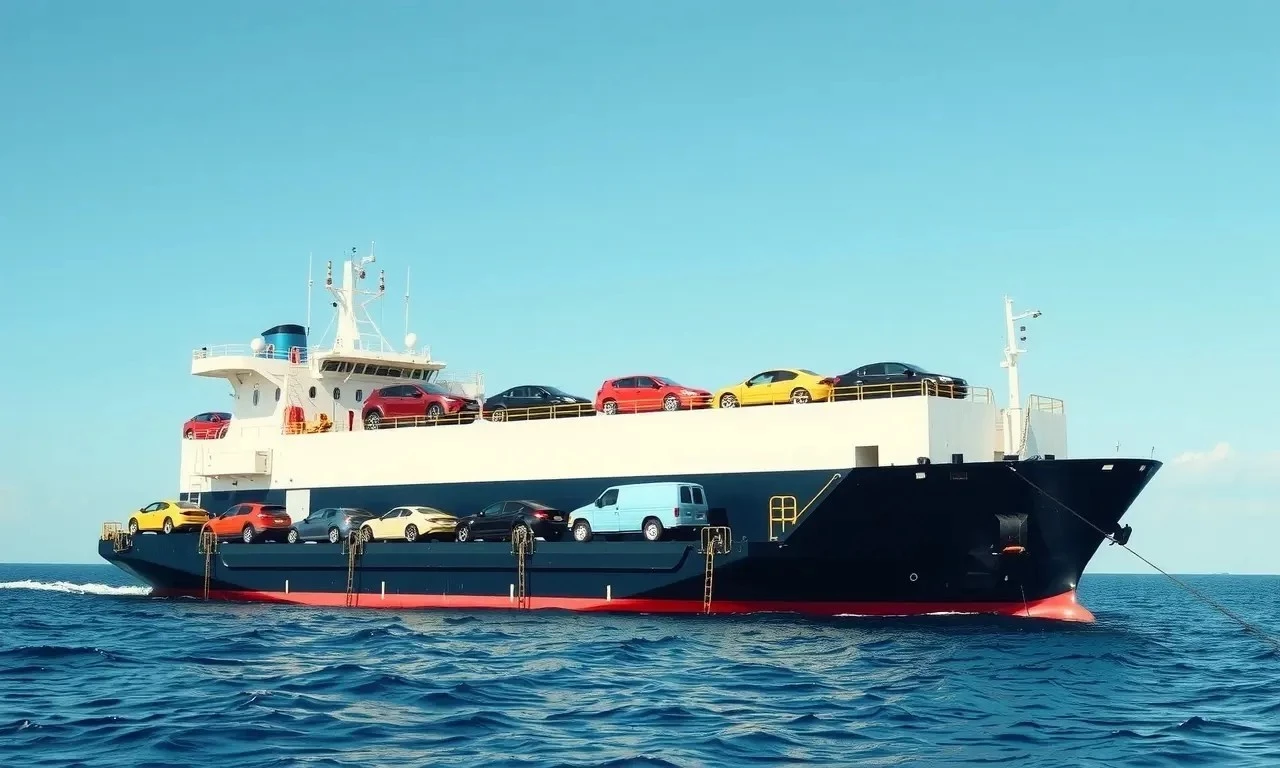
Shipping a car overseas involves multiple factors that influence the overall shipping cost. Understanding these elements can help you navigate the complexities of international transport efficiently. Whether you’re relocating, selling a vehicle abroad, or purchasing a car from another country, knowing what goes into vehicle freight is crucial.
Factors Affecting Shipping Costs
- Distance and Destination: The distance between the departure and destination port significantly influences the cost. Longer distances typically mean higher costs.
- Transport Method: Container shipping and roll-on/roll-off (RoRo) are two primary methods. Container shipping provides better protection but is usually more expensive than RoRo, where vehicles are driven onto the shipping vessel.
- Vehicle Size: Larger vehicles cost more to ship. The size and weight of the vehicle are considered when calculating costs.
- Shipping Schedule: The frequency of shipments on your chosen route can impact costs. More frequent routes might offer more competitive pricing.
- Insurance Coverage: Comprehensive insurance coverage for your vehicle during transit adds to the cost but is often necessary for peace of mind.
- Import Fees and Customs Duties: Each country has its own import fees and customs duties that must be paid upon entry, which can vary widely.
- Export Regulations: Compliance with export regulations is mandatory, and any associated fees must be considered.
Getting a Shipping Quote
Obtaining a shipping quote is a critical step in understanding the potential costs involved. Contacting a reputable shipping company or freight forwarder will provide you with an estimate based on your specific needs and logistics. Be sure to provide accurate information about your vehicle, including make, model, and dimensions, to receive the most accurate quote.
Choosing a Shipping Company
The choice of a shipping company can greatly affect your experience. Look for a company with a proven track record in shipping logistics and positive customer reviews. They should offer clear communication, transparent pricing, and detailed information about the transit time and process.
Insurance Coverage
While some companies include basic insurance in their packages, you might want to consider additional insurance coverage to protect against unforeseen circumstances. Ensure that your chosen policy covers all potential risks during the shipment process.
Preparing for Shipment
Before your car is shipped, it’s essential to prepare it properly. This includes cleaning the vehicle, removing personal items, and ensuring it is in good working condition. Some countries might require specific modifications or certifications, aligned with export regulations, before a vehicle can be allowed entry.
Understanding Import Fees and Customs Duties
When your car arrives at the destination port, you will need to pay any applicable import fees and customs duties. These fees vary by country and are often calculated based on the vehicle’s value, type, and age. Understanding these costs ahead of time can prevent unexpected expenses.
Working with a Freight Forwarder
Engaging a freight forwarder can simplify the process, as they handle the coordination of various logistics, paperwork, and compliance with regulations. They can provide valuable insights and assistance throughout the shipping process, ensuring that everything goes smoothly.
Shipping a car overseas requires careful planning and consideration of multiple factors, from choosing the right transport method to understanding export regulations and import fees. By obtaining a detailed shipping quote and working with experienced professionals, you can navigate the complexities of international transport with confidence. Ultimately, the key to a successful overseas car shipment lies in thorough preparation and understanding of the entire process.